



What's Happening?
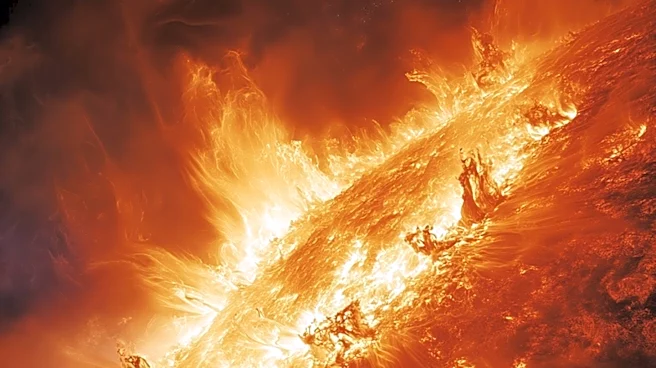
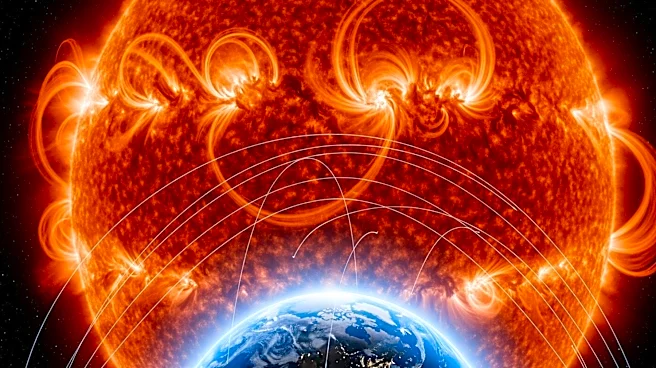
A rare 'cannibal' solar storm is expected to reach Earth late on June 4 or early June 5, potentially causing a strong G3 geomagnetic storm, with the possibility of escalating to a severe G4 event. This phenomenon, originating from sunspot 4455, involves
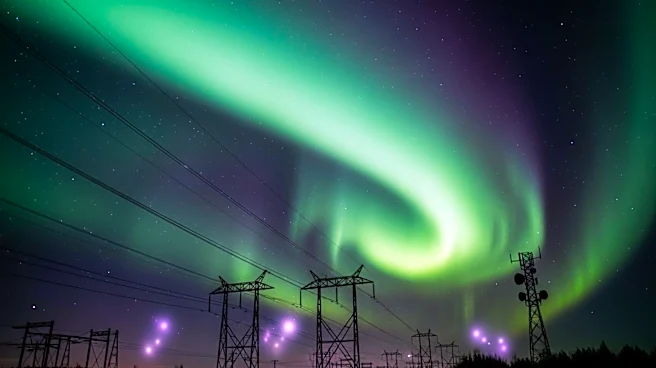
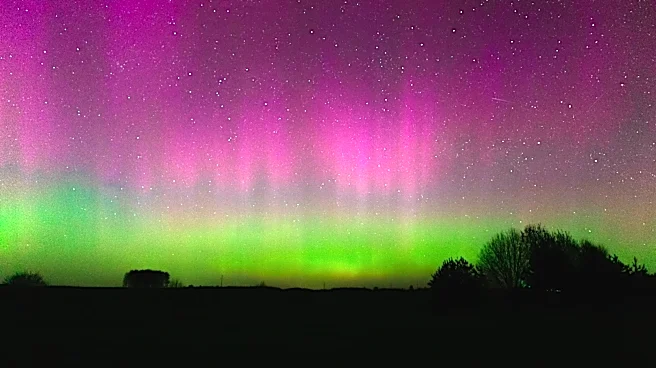
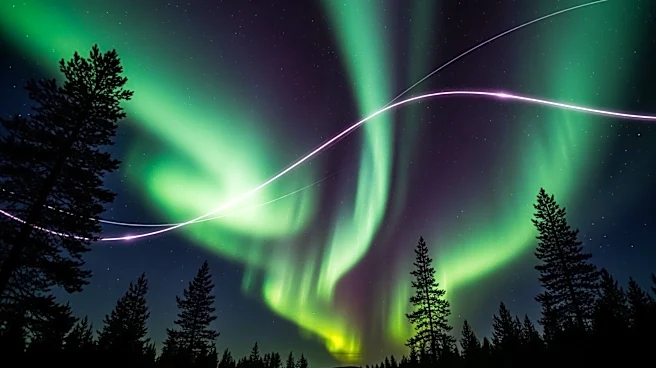
a massive cloud of charged solar material that merged in space, creating a dense, highly energized shockwave. The U.S. National Oceanic and Atmospheric Administration (NOAA) has issued a watch for this event, which could lead to an extraordinary display of the Northern Lights visible much farther south than usual across parts of Europe and the United States. The storm was triggered by a series of powerful X-class solar flares, among the most intense categories of solar eruptions on record.
Why It's Important?
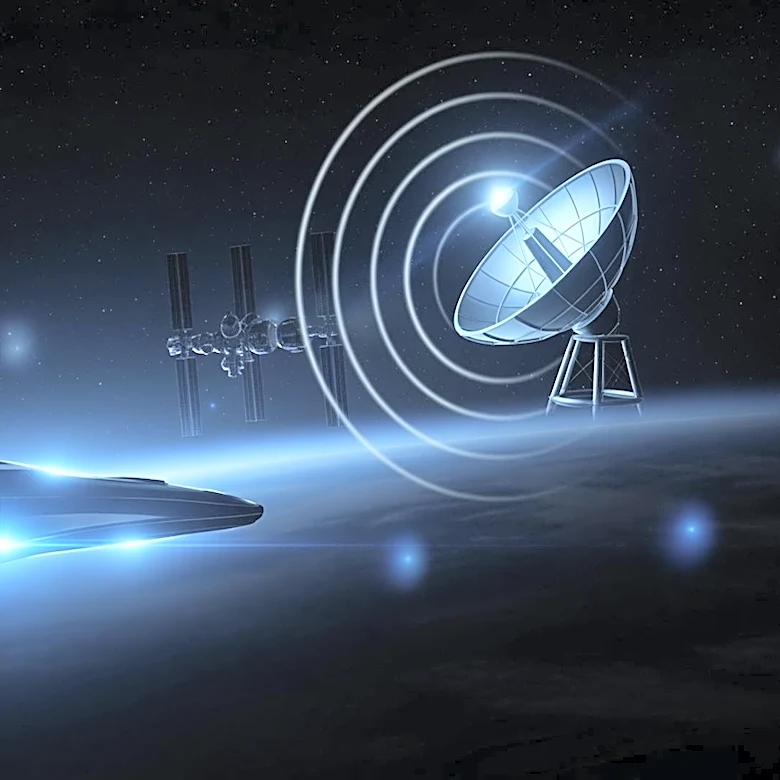
The impending solar storm could have significant implications for both natural phenomena and technological systems. The potential for the Northern Lights to be visible in areas that typically do not experience them offers a rare opportunity for millions to witness this natural spectacle. However, the storm also poses risks of minor technological disruptions, such as brief radio blackouts and increased atmospheric drag affecting orbiting satellites. While the geomagnetic storm is not expected to harm individuals or ground-based infrastructure, it highlights the vulnerability of modern technology to space weather events. The event underscores the importance of monitoring solar activity and preparing for potential impacts on communication and navigation systems.
What's Next?
As the solar storm approaches, forecasters and researchers will continue to monitor its development and potential impacts. Those interested in viewing the Northern Lights are advised to seek dark areas away from city lights and stay updated with local aurora forecasts. Meanwhile, technological sectors, particularly those reliant on satellite communications, will need to remain vigilant for any disruptions. The event also serves as a reminder of the need for ongoing research and preparedness strategies to mitigate the effects of space weather on critical infrastructure.