





What's Happening?
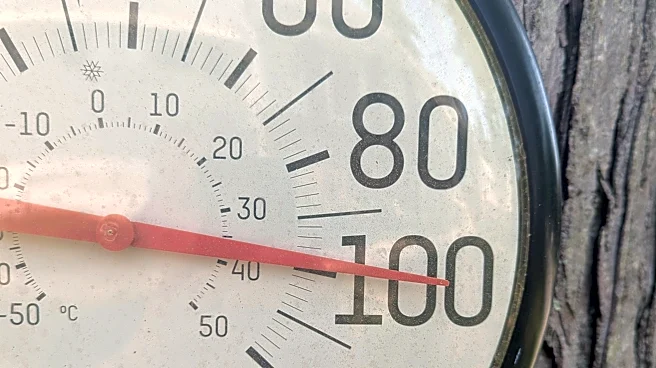
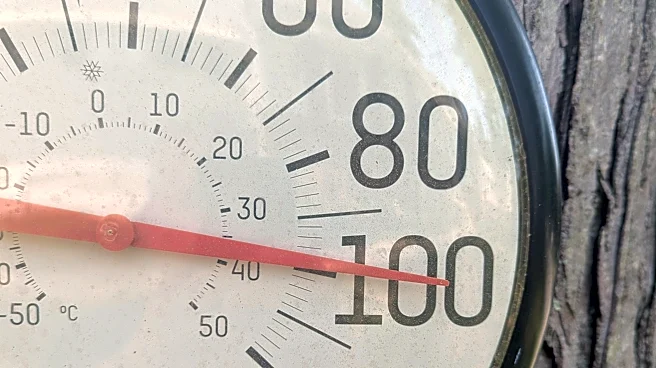
The intense heat wave that has affected the central and eastern United States is now shifting westward, impacting the South and West regions. The heat dome, which has set numerous temperature records, is expected to bring dangerously high temperatures
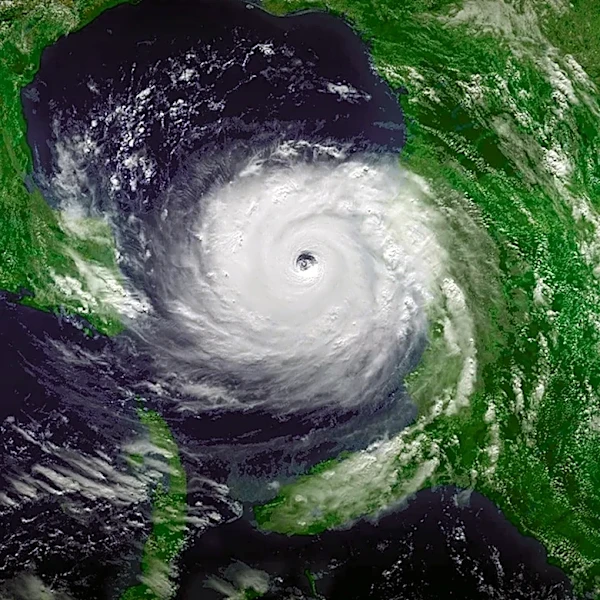
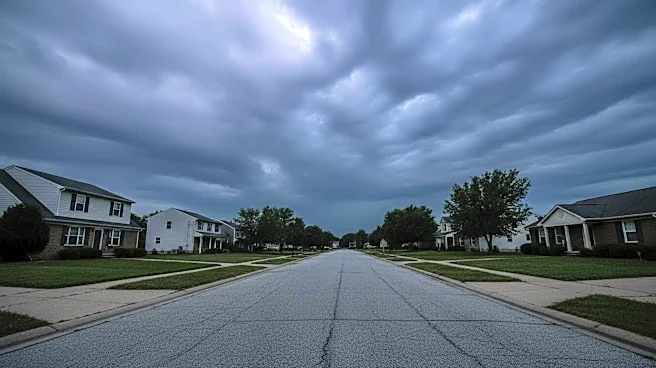
to areas like Phoenix, where forecasts predict highs between 111 and 116 degrees Fahrenheit. The National Weather Service has issued extreme heat warnings for millions in the Southwest, and heat advisories are in place as far north as Alaska. The Midwest and East are experiencing cooler, wetter conditions, but the threat of heavy rainfall and flash flooding remains.
Why It's Important?
The ongoing heat wave poses significant health risks, with over 165 million Americans previously at risk of heat-related health issues. The shift of the heat wave to the West raises concerns about increased wildfires and poor air quality due to stagnant air conditions. The economic impact is also considerable, affecting energy consumption, agriculture, and public health systems. The situation underscores the need for preparedness and adaptation strategies to mitigate the effects of extreme weather events, which are becoming more frequent due to climate change.
What's Next?
As the heat wave continues to move westward, residents in affected areas are advised to take precautions against heat-related illnesses. Authorities are likely to implement measures to manage energy demand and provide support to vulnerable populations. The potential for wildfires and poor air quality will require monitoring and response from emergency services. In the Midwest and East, attention will shift to managing the risks of flooding and severe weather.