








What's Happening?
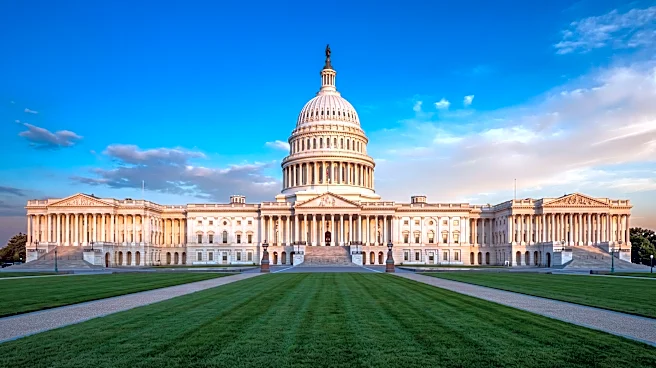
The U.S. House of Representatives has passed the bipartisan Taxpayer Advocate Participation Act (TAPA) (HR 9498) by a voice vote. This legislation, introduced by Rep. Greg Steube, a Sarasota Republican, and co-sponsored by Rep. Suzan DelBene, a Washington
Democrat, aims to empower the National Taxpayer Advocate. If enacted, TAPA would authorize the National Taxpayer Advocate to participate as amicus curiae (friend of the court) in federal cases that address issues broadly affecting taxpayer rights. Currently, the law prohibits such intervention. The bill is designed to allow the Advocate's office to engage in court matters that could establish legal precedent, while still preventing involvement in individual taxpayer disputes. Rep. Steube emphasized that American taxpayers deserve an advocate when their rights are at stake in federal court.
Why It's Important?
This bill is important because it seeks to provide a stronger voice for taxpayers in federal legal proceedings. By allowing the National Taxpayer Advocate to intervene in cases that set legal precedents, TAPA could significantly influence how taxpayer rights are interpreted and protected across the country. This could lead to more taxpayer-friendly outcomes in broad legal challenges and ensure that the interests of the general taxpaying public are considered in significant court decisions. The bipartisan support for the bill indicates a shared recognition of the need to enhance taxpayer advocacy. Organizations such as the National Taxpayers Union, the Small Business & Entrepreneurship (SBE) Council, Intuit, the 60 Plus Association, and the National Association of Consumer Advocates have endorsed the bill, highlighting its potential positive impact on various segments of the U.S. population, from individual citizens to small businesses.
What's Next?
Following its passage in the House, the Taxpayer Advocate Participation Act (TAPA) now moves to the Senate Finance Committee for consideration. For the bill to become law, it must pass the Senate and then be signed by President Trump. Rep. Steube has urged the Senate to advance the legislation to President Trump's desk. If the bill successfully navigates the Senate, it would represent a significant enhancement of the National Taxpayer Advocate's role and influence. The next steps will involve committee hearings and potentially a floor vote in the Senate. Stakeholders, including taxpayer advocacy groups and business organizations, will likely lobby senators to support the bill's passage, emphasizing its potential benefits for taxpayer rights and legal clarity.
Beyond the Headlines
The passage of TAPA reflects a broader trend towards increasing transparency and accountability in government agencies, particularly those dealing with public finances. By granting the National Taxpayer Advocate the ability to act as amicus curiae, the legislation acknowledges the complex nature of tax law and the potential for systemic issues to affect a large number of taxpayers. This move could foster greater public trust in the tax system by ensuring that an independent voice represents taxpayer interests in significant legal matters. Furthermore, it could encourage a more proactive approach from the National Taxpayer Advocate's office in identifying and addressing systemic problems within the Internal Revenue Service (IRS) or other federal agencies, potentially leading to more equitable and efficient tax administration in the long run. The bill's bipartisan nature also suggests a potential for future legislative cooperation on issues related to government oversight and citizen advocacy.