








What's Happening?
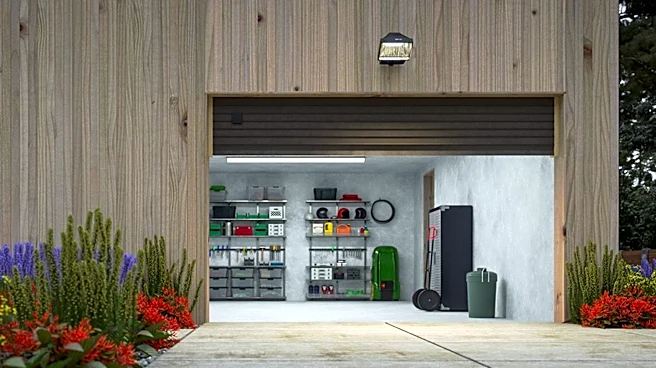
Long Beach homeowners are increasingly opting for garage conversions to create Accessory Dwelling Units (ADUs), a trend driven by specific state regulations. Unlike new detached ADU constructions, which are capped at 800 square feet, garage conversions in Long Beach face
no size restrictions, allowing for potentially larger living spaces. This policy stems from the city's practice of reviewing ADU projects directly under California state law, rather than a local ordinance. The process for approving ADUs is ministerial, meaning it does not require public hearings and mandates a decision within 60 days of a complete application. Garage conversions are generally more cost-effective, ranging from $120,000 to $180,000, compared to new detached builds which can cost up to $380,000 for an 800 sq ft unit. They also offer a quicker construction timeline due to the reuse of existing structures like slabs and shells. Key considerations for homeowners include ensuring the existing garage is permitted, structurally sound, and sufficiently tall for conversion. The city also offers a Pre-Approved ADU (PAADU) program, currently undergoing updates, designed to streamline the permitting process for standard designs. Properties located within the California Coastal Zone require an additional Administrative Local Coastal Development Permit.
Why It's Important?
The preference for garage conversions in Long Beach holds significant implications for urban housing development and affordability. By allowing larger ADUs through conversions, the city effectively increases housing density without requiring new land, addressing housing shortages in a cost-efficient manner. Homeowners benefit from a more accessible entry point into generating rental income or providing multi-generational living solutions, as owner-occupancy is not mandated for standard ADUs. The cost-effectiveness of conversions makes ADU development feasible for a broader segment of the population, potentially stimulating local construction and related services. The ministerial approval process and 60-day decision deadline reduce bureaucratic hurdles, encouraging more homeowners to pursue these projects and accelerating the availability of new housing units. The lack of a parking replacement requirement for converted garages further removes a common barrier to ADU development, particularly in dense urban areas where parking is at a premium. This approach leverages existing infrastructure, minimizing environmental impact compared to entirely new constructions and promoting sustainable urban growth. The state-level review ensures a consistent regulatory framework, providing clarity for both homeowners and developers in Long Beach.
What's Next?
Homeowners in Long Beach considering ADU projects will need to carefully assess whether a garage conversion or a new detached build best suits their needs, factoring in budget, desired size, and existing property conditions. The design and engineering phase for any ADU project typically spans several weeks to a couple of months, followed by a plan check period that varies in length. Construction itself commonly runs for several months, with garage conversions generally proceeding more quickly due to the existing structural shell. A critical next step for applicants is to ensure their plan sets are complete and thoroughly engineered to avoid common delays caused by correction cycles from the city. Those with properties in the California Coastal Zone must anticipate filing an Administrative Local Coastal Development Permit concurrently with their building permit, adding an extra layer to the review process. Prospective ADU builders should also confirm the current availability and offerings of Long Beach's Pre-Approved ADU (PAADU) program, as it is undergoing updates and could significantly expedite permitting if a standard design fits their lot. The ongoing evolution of state ADU laws means that while Long Beach currently follows state defaults, future changes or the adoption of a local ordinance could alter current standards, necessitating homeowners to verify the latest requirements before committing to a design.
Beyond the Headlines
The emphasis on garage conversions in Long Beach highlights a broader shift in urban planning towards adaptive reuse and maximizing existing residential footprints. This strategy not only addresses immediate housing needs but also contributes to the long-term sustainability of urban environments by reducing sprawl and leveraging existing infrastructure. The policy's impact extends beyond individual homeowners, influencing the character of neighborhoods by subtly increasing density without drastically altering streetscapes, a common concern with new developments. Legally, the reliance on state law for ADU review in Long Beach underscores the increasing role of state-level mandates in shaping local land use policies, particularly in response to statewide housing crises. This approach could serve as a model for other municipalities grappling with similar challenges, demonstrating how regulatory frameworks can incentivize specific types of development that align with broader housing goals. Culturally, the rise of ADUs, especially through conversions, reflects a growing acceptance of diverse housing arrangements, including multi-generational living and smaller, more flexible living spaces. It also touches upon economic equity, as the lower cost of conversions makes property investment and rental income generation more accessible to a wider range of homeowners, potentially fostering economic stability within communities. The ongoing updates to programs like PAADU suggest a continuous effort by the city to refine and optimize the ADU development process, indicating a sustained commitment to these housing solutions.