
What's Happening?
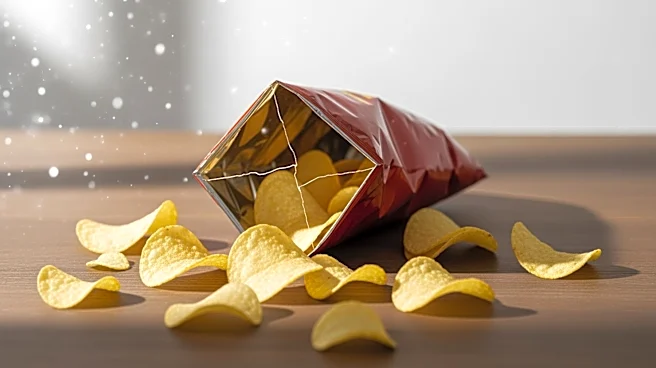
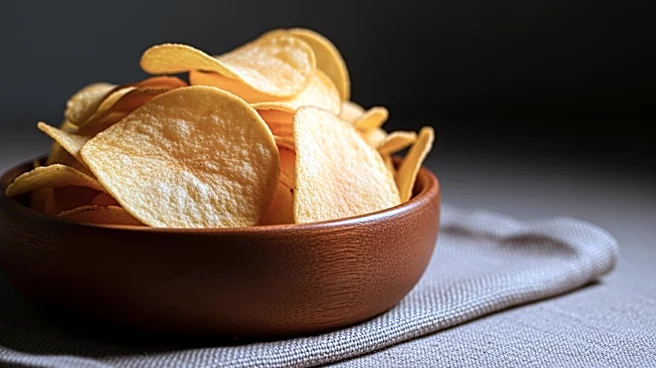
Utz Quality Foods, LLC has issued a recall for certain Zapp's and Dirty brand potato chips due to potential salmonella contamination. The recall, announced on May 4, 2026, affects six types of Zapp's potato chips and three
types of Dirty potato chips. The issue arose after it was discovered that the seasoning used in these chips, which contains dry milk powder, might be contaminated with salmonella. Although the affected seasoning batches tested negative for salmonella, Utz has decided to recall the products as a precautionary measure. As of the announcement, there have been no reported illnesses linked to the recalled products. This recall is part of a broader public health alert concerning dry milk powder contamination, which has also affected other food products, including select Mama Cozzi's breakfast pizzas.
Why It's Important?
The recall of these potato chips is significant as it highlights ongoing concerns about food safety and the potential health risks associated with salmonella contamination. Salmonella is a common bacterial foodborne illness that can cause symptoms such as diarrhea, abdominal cramps, and fever. While most people recover without treatment, the illness can be severe for older adults, infants, and individuals with weakened immune systems. The recall underscores the importance of rigorous food safety standards and the need for companies to act swiftly to protect consumers. It also raises awareness about the potential for widespread impact when a common ingredient, like dry milk powder, is contaminated, affecting multiple products and brands.
What's Next?
Consumers who have purchased the recalled potato chips are advised not to consume them and to contact Utz Customer Care for questions or refunds. The U.S. Department of Agriculture’s Food Safety and Inspection Service is continuing its investigation into the dry milk powder contamination, and more products may be recalled as the situation develops. This ongoing investigation may lead to further recalls and public health alerts, emphasizing the need for vigilance in monitoring food safety. Companies involved in the production and distribution of affected products will likely review and enhance their quality control measures to prevent future incidents.