




What's Happening?
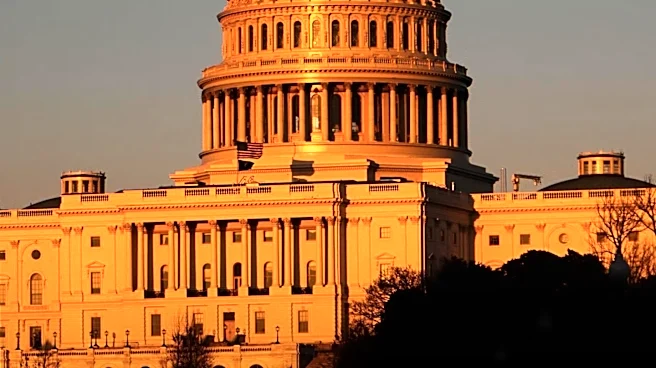
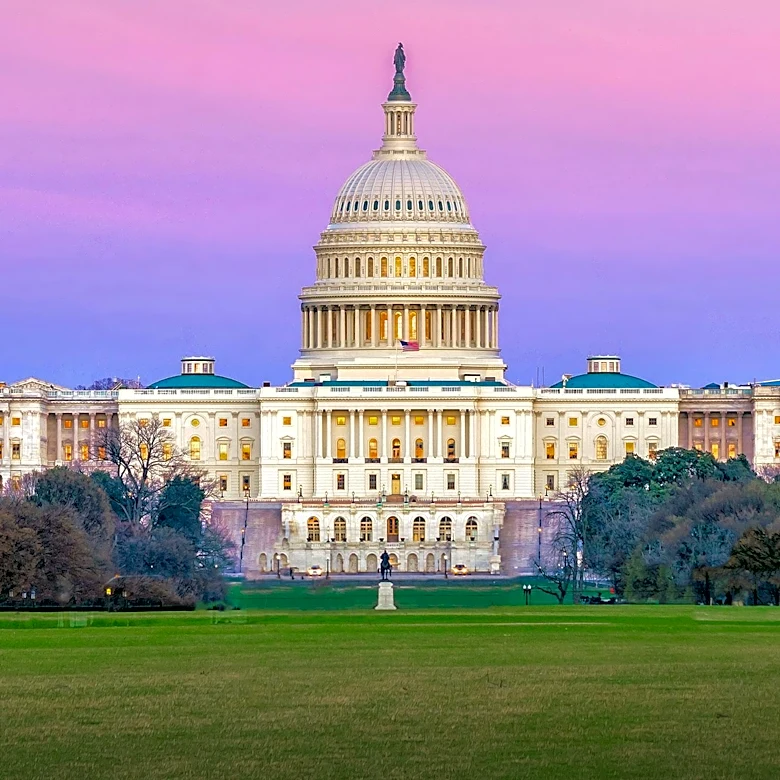
Representative Lou Correa (D-CA) is co-chairing the Congressional Family Business Caucus meeting on September 23 on Capitol Hill. The caucus, which is the last for the 119th Congress, will focus its discussions on "The Price of Prosperity" and wealth
taxes. Co-chaired with Representative Claudia Tenney (R-NY), the event will feature presentations from Dr. Frank Luntz, EY’s Dianne Mehany, and legislative experts from Brownstein. A panel of family-owned business leaders will also share strategies for maintaining business growth, addressing tax concerns, and planning for generational transitions. Family Enterprise USA, which advocates for family-owned businesses, is organizing the event. The caucus currently includes 49 House Members, comprising 21 Democrats and 28 Republicans. During the meeting, several House Members are expected to present their views on the challenges faced by family-owned businesses, relevant laws, and the potential impact of wealth taxes.
Why It's Important?
This caucus meeting is significant for U.S. businesses, particularly family-owned enterprises, which are a substantial economic engine, accounting for 83.3 million jobs across approximately 32 million businesses and contributing $7.7 trillion annually to the U.S. gross domestic product. The discussions on wealth taxes and the cumulative tax burden are critical as these policies can directly impact the growth, sustainability, and intergenerational transfer of these businesses. High income, estate, gift, and transaction taxes can hinder long-term planning and capital investments, potentially affecting job creation and economic stability. The bipartisan nature of the caucus, with both Democratic and Republican co-chairs and members, highlights a shared recognition of the importance of family businesses and the need for policies that support their continued success. The insights from legislative experts and business leaders will inform lawmakers on crafting policies that either protect or challenge the prosperity of these vital economic contributors.
What's Next?
The Congressional Family Business Caucus meeting on September 23 will include presentations and a panel discussion, followed by a series of meetings with House Members in their offices. These interactions are intended to provide lawmakers with a deeper understanding of the unique challenges faced by family-owned businesses, particularly concerning taxation and potential wealth taxes. The research presented by Dr. Frank Luntz on voter sentiment regarding wealth taxes will likely influence political discourse leading up to upcoming elections. The insights gained from this caucus could inform future legislative proposals or amendments aimed at tax policies affecting family enterprises. Stakeholders, including family business leaders and advocacy groups like Family Enterprise USA, will continue to monitor and engage with policymakers to ensure their concerns are addressed in any forthcoming legislation. The outcomes of these discussions could shape the economic landscape for family businesses for years to come.
Beyond the Headlines
Beyond the immediate policy discussions, the focus on wealth taxes and the "Price of Prosperity" touches upon fundamental questions about economic equity, intergenerational wealth transfer, and the role of government in regulating private enterprise. The debate over wealth taxes often involves ethical considerations about fairness, individual property rights, and the potential for such taxes to disincentivize entrepreneurship and investment. From a legal perspective, the implementation of wealth taxes can raise complex constitutional questions regarding property seizure and due process. Culturally, family businesses often represent more than just economic entities; they embody legacies, community ties, and a particular vision of the American dream. Policies that significantly impact these businesses could therefore have broader societal implications, affecting local economies, philanthropic activities, and the overall fabric of communities where these businesses are deeply rooted. The ongoing dialogue reflects a tension between the desire to address wealth inequality and the need to foster a robust and dynamic private sector.