
What's Happening?
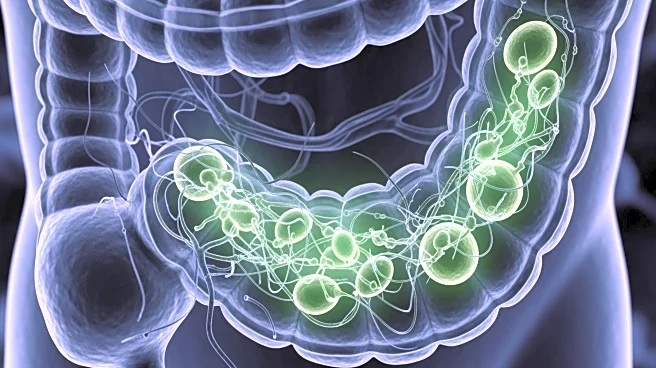
A recent study published in Nature highlights the potential role of intestinal macrophages in the development of Parkinson's disease (PD). The research suggests that these macrophages, which support the enteric
nervous system (ENS), may initiate the spread of α-synuclein (αS) pathology from the gut to the brain. This finding is based on observations in the 3KL αS transgenic mouse model of PD, which exhibits key features of the disease by eight months of age, including the accumulation of pathological αS in the brain, selective neuronal loss, and motor dysfunction. The study found significantly increased levels of phosphorylated αS surrounding enteric neurons in the intestines of three-month-old 3KL mice compared to wild-type mice. Additionally, these mice showed increased gut transit times, indicating impaired ENS function and constipation. While no neuronal death was observed, there was an increased expression of proteins related to autophagy and lysosomal biology.
Why It's Important?
This study provides new insights into the pathogenesis of Parkinson's disease, particularly the role of the gut-brain axis. Understanding how α-synuclein pathology spreads from the gut to the brain could lead to novel therapeutic strategies targeting early stages of the disease. This research underscores the importance of the enteric nervous system and its potential involvement in neurodegenerative diseases. The findings could influence future research directions and the development of treatments aimed at preventing or slowing the progression of Parkinson's disease by targeting gut-related mechanisms.
What's Next?
Further research is needed to explore the mechanisms by which intestinal macrophages contribute to the spread of α-synuclein pathology. This could involve studying the interactions between gut microbiota, the immune system, and the nervous system. Additionally, clinical studies in humans are necessary to validate these findings and assess their relevance to human Parkinson's disease. If confirmed, these insights could pave the way for new diagnostic tools and treatments that focus on the gut-brain connection in neurodegenerative diseases.
Beyond the Headlines
The study highlights the growing recognition of the gut-brain axis in neurological research. It raises questions about the potential impact of gut health on brain diseases and the role of diet, microbiota, and immune responses in neurodegeneration. This research could lead to a broader understanding of how systemic health influences neurological conditions and the development of holistic approaches to treatment and prevention.