




What's Happening?
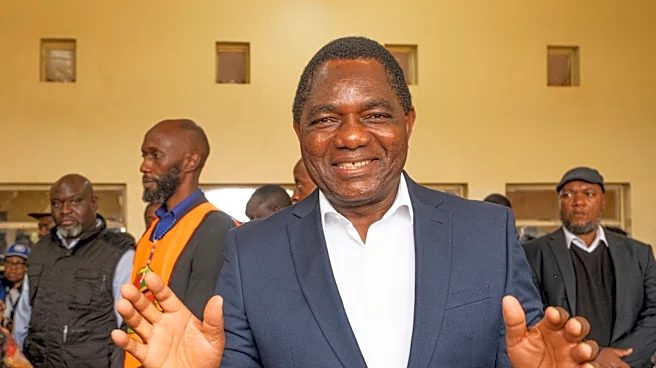
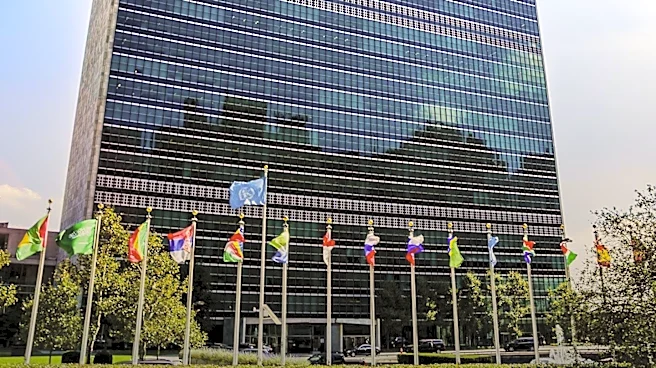
The United Nations human rights chief has voiced concern regarding the arrests of opposition officials in Zambia in the aftermath of last week's election. Vote counting was temporarily halted on Friday, the day after the election, due to reports of violence
against electoral officials at some polling stations and the theft of ballot papers. The Zambian government stated that law enforcement agents raided a property on election night where the main opposition leader was present, leading to an exchange of gunfire. Authorities reported finding "high-grade military weapons" at the location and subsequently arrested 11 opposition officials, accusing them of posing a threat to state security. This situation marks a departure from the generally peaceful elections Zambia has experienced since its transition to multiparty democracy in 1991.
Why It's Important?
The arrests of opposition officials and the reported election-related violence in Zambia are significant as they raise questions about the integrity of the democratic process and respect for human rights in the country. Such actions can undermine public trust in electoral outcomes and potentially destabilize the political environment. For the U.S. and international community, Zambia has historically been viewed as a relatively stable democracy in Africa. Any perceived backsliding on democratic principles or human rights could impact diplomatic relations, foreign aid, and investment. The involvement of the UN human rights chief highlights the international community's scrutiny and concern, suggesting potential pressure on the Zambian government to ensure due process and uphold democratic norms. This situation could also set a precedent for future elections in the region, influencing how other nations approach electoral disputes and opposition activities.
What's Next?
The immediate next steps will likely involve continued international monitoring and potential calls for independent investigations into the reported violence and arrests. The UN human rights chief's statement suggests that international bodies will be closely watching how the Zambian government handles these cases, particularly regarding the legal proceedings for the arrested opposition officials. There may be calls for transparency and adherence to international human rights standards. Domestically, the opposition is expected to challenge the arrests and potentially the election results, which could lead to further political unrest or legal battles. The Zambian electoral commission may also face pressure to provide more details on the disruptions during vote counting and to implement measures to prevent similar incidents in future elections. The long-term stability of Zambia's democratic institutions will depend on how these immediate challenges are addressed by all parties involved.
Beyond the Headlines
Beyond the immediate political ramifications, this situation could have deeper implications for the rule of law and civil liberties in Zambia. The accusation of possessing "high-grade military weapons" against opposition figures, if not substantiated through transparent legal processes, could be seen as a tactic to suppress dissent. This could lead to a chilling effect on political opposition and freedom of expression. The incident also highlights the fragility of democratic institutions even in countries with a history of peaceful transitions. It underscores the importance of robust independent institutions, such as the judiciary and electoral commission, to mediate political disputes and protect citizens' rights. The international community's response will be crucial in reinforcing democratic norms and preventing a potential erosion of human rights in Zambia, potentially influencing broader trends in African governance.