





What's Happening?
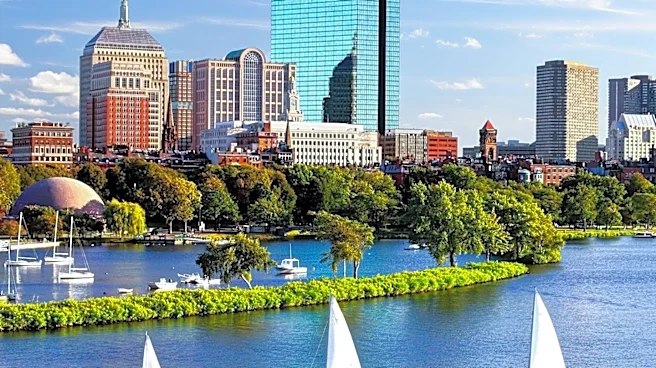
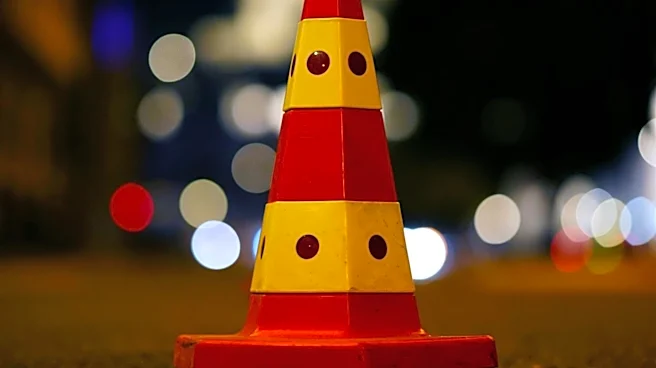
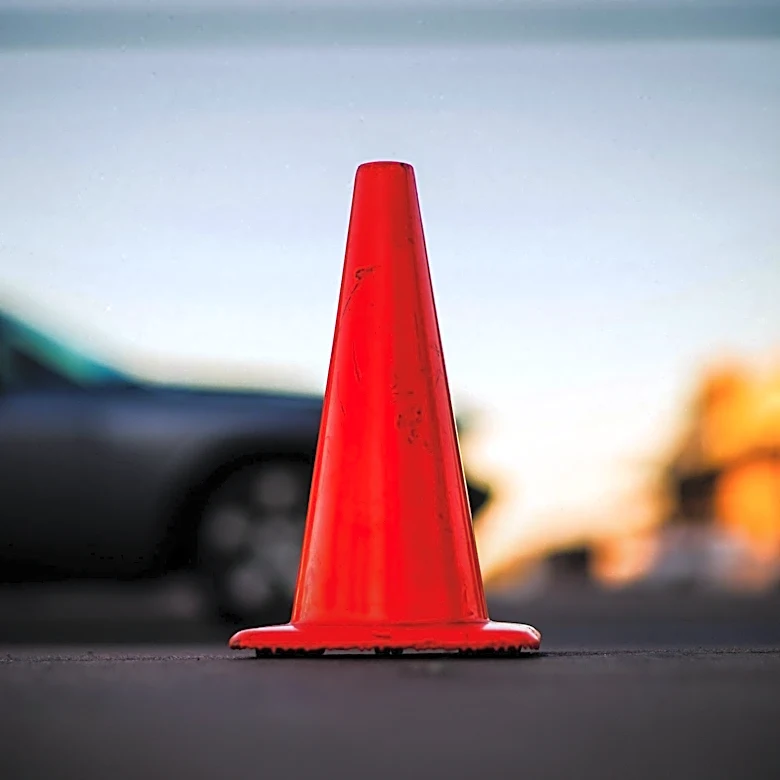
A traffic cone from Scotland, known as the 'Boston Cone', received a warm welcome at Boston Logan International Airport, complete with a bagpiper and greetings from Massachusetts Governor Maura Healey and Boston Mayor Michelle Wu. This event marks the continuation
of a unique relationship between Boston and Scotland's Tartan Army, who famously placed traffic cones on statues during the World Cup. The cone, adorned with illustrations celebrating both Boston and Scotland, symbolizes the camaraderie and humor shared between the two regions. It will tour Massachusetts landmarks to raise funds for mental health charities before returning to Scotland.
Why It's Important?
The event highlights the cultural exchange and goodwill fostered by international sports events like the World Cup. The Tartan Army's playful tradition of placing traffic cones on statues has become a symbol of Scottish humor and has now been embraced by Boston, reflecting the city's openness to international influences. This gesture not only strengthens cultural ties but also supports charitable causes, demonstrating how sports can transcend borders and bring communities together. The involvement of local leaders underscores the significance of such cultural exchanges in promoting international friendship and cooperation.
What's Next?
The 'Boston Cone' will continue its tour across Massachusetts, visiting various landmarks to raise awareness and funds for mental health charities. This initiative is expected to further solidify the bond between Boston and Scotland, potentially leading to more cultural exchanges and collaborations in the future. The cone's journey will likely attract media attention, highlighting the positive impact of international sports events on local communities. As the cone returns to Scotland, it may inspire similar initiatives, encouraging other cities to embrace cultural symbols and traditions from around the world.
Beyond the Headlines
The story of the 'Boston Cone' illustrates the power of humor and lighthearted traditions in building international relationships. It also raises awareness about the importance of mental health, as the cone's tour aims to support related charities. This event serves as a reminder of the positive impact that cultural symbols can have in fostering understanding and cooperation between different regions. The playful nature of the cone's journey challenges the often serious and competitive nature of international sports, offering a refreshing perspective on global interactions.