








What's Happening?
Rangelands, which include grasslands, shrublands, woodlands, wetlands, and deserts, are facing significant threats due to climate change, according to experts. Retta Bruegger, a range management specialist at Colorado State University, highlights that
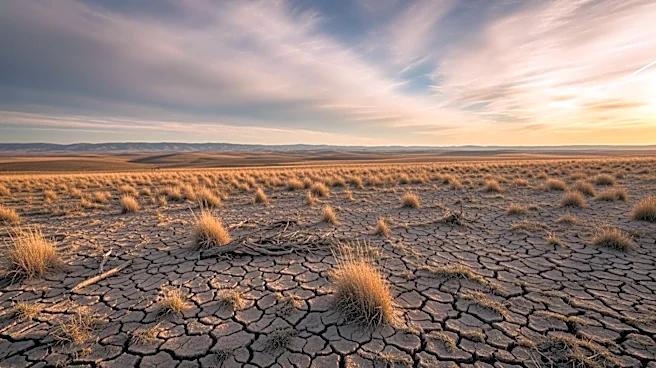
these landscapes, often overlooked, provide essential ecological and cultural services such as wildlife habitat, biodiversity, and food security. The United Nations has declared 2026 the International Year of Rangelands and Pastoralists to raise awareness and advocate for their protection. However, changing weather patterns are impacting these areas more than traditional issues like overgrazing. Researchers from Cornell University have found that climate change has a more significant effect on Mongolian herders' livelihoods than overgrazing. Similar impacts are being observed in the western U.S., where hotter and drier conditions lead to invasive species, increased flooding, erosion, and competition for water resources.
Why It's Important?
The degradation of rangelands due to climate change poses a threat to the rural communities that depend on them for their livelihoods. These areas are crucial for small-scale farming, ranching, and herding, which support billions of people globally. In the U.S., rangelands also provide recreational spaces and are more effective carbon sinks than forests, as they store carbon underground in the soil. The loss of these lands could lead to reduced biodiversity, increased carbon emissions, and economic challenges for communities reliant on agriculture and livestock. The focus on rangelands by the United Nations aims to bring attention to their importance and the need for sustainable management practices.
What's Next?
Efforts to protect and manage rangelands sustainably are expected to increase, with a focus on collective action and community involvement. The Global Gathering of Pastoralist Women in Nepal will provide a platform for women from pastoral communities to discuss adaptation strategies and resilience building. This event highlights the often underacknowledged role of women in rangeland management. In the Roaring Fork Valley, initiatives like film festivals aim to raise local awareness about the value of these landscapes. Continued advocacy and education are crucial to ensuring the protection and sustainable use of rangelands in the face of climate change.
Beyond the Headlines
The challenges faced by rangelands underscore the broader impacts of climate change on ecosystems and communities. The focus on these landscapes highlights the need for integrated approaches to land management that consider ecological, economic, and social factors. The involvement of women in pastoral communities is a critical aspect of this approach, as they bring unique perspectives and solutions to the table. The recognition of rangelands as vital carbon sinks also emphasizes the importance of preserving these areas as part of global efforts to mitigate climate change.