


What's Happening?
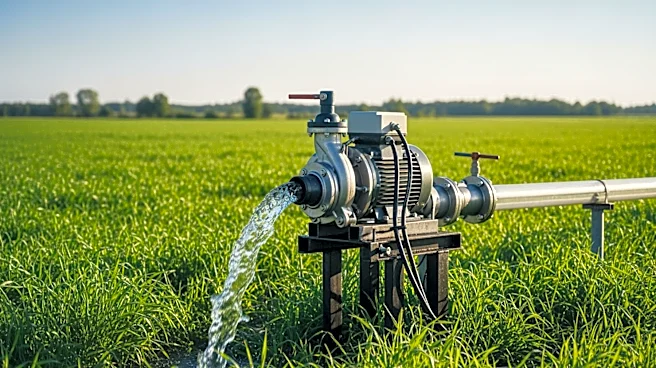
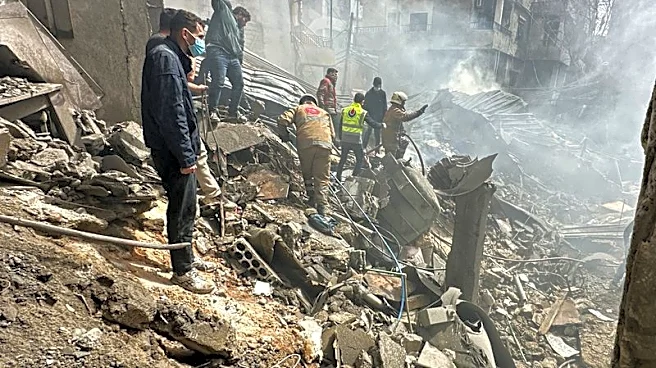
The Undersecretary of the Ministry of Agriculture and Irrigation in Sudan, Engineer Daw Al-Bayt Mansour, has announced successful efforts to stabilize irrigation systems affected by war-related damage. The ministry, with support from the armed forces,
has enabled farmers to cultivate 30,000 feddans in the Al-Jazirah project. Preparations for the summer agricultural season are underway, with plans to ensure irrigation water supply through the Sennar Dam. The ministry is addressing challenges such as unstable electricity supply in projects like Al-Rahad and Al-Suki by exploring solar energy solutions. Coordination with the Ministry of Energy aims to secure a stable electricity supply for uninterrupted irrigation operations.
Why It's Important?
The efforts by Sudan's Ministry of Agriculture to stabilize irrigation systems are crucial for ensuring food security and supporting the livelihoods of farmers. By addressing power supply issues and exploring renewable energy solutions, the ministry is taking steps to mitigate the impacts of war and climate variability on agriculture. These initiatives are vital for maintaining agricultural productivity and preventing disruptions in food supply chains. The focus on sustainable energy solutions also aligns with global trends towards renewable energy, potentially setting a precedent for other regions facing similar challenges.
What's Next?
The Ministry of Agriculture plans to continue its coordination with various agricultural projects to organize irrigation based on developed plans. Efforts to implement solar energy solutions are expected to progress, potentially reducing reliance on unstable electricity supplies. The ministry's collaboration with the Ministry of Energy will be crucial in ensuring the success of these initiatives. As the summer agricultural season approaches, ongoing monitoring and adjustments to irrigation strategies will be necessary to address any emerging challenges.
Beyond the Headlines
The shift towards solar energy in agriculture highlights the broader trend of integrating renewable energy into traditional sectors. This transition not only addresses immediate power supply challenges but also contributes to long-term sustainability goals. The collaboration between different ministries and the armed forces underscores the importance of cross-sectoral cooperation in addressing complex issues like irrigation and food security. These efforts may inspire similar initiatives in other countries facing agricultural challenges due to conflict or environmental factors.