



What's Happening?
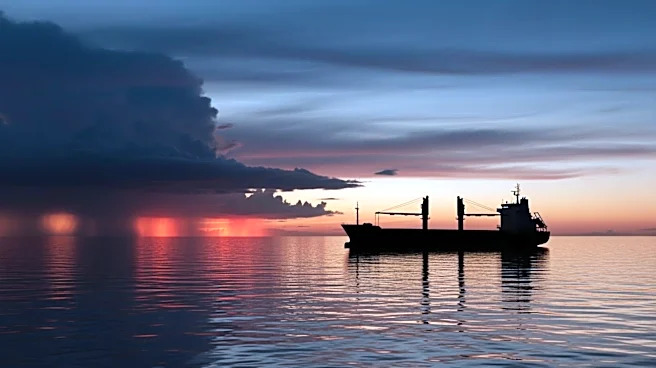
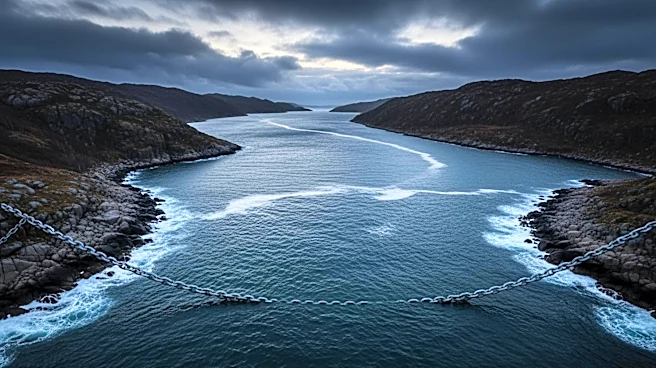
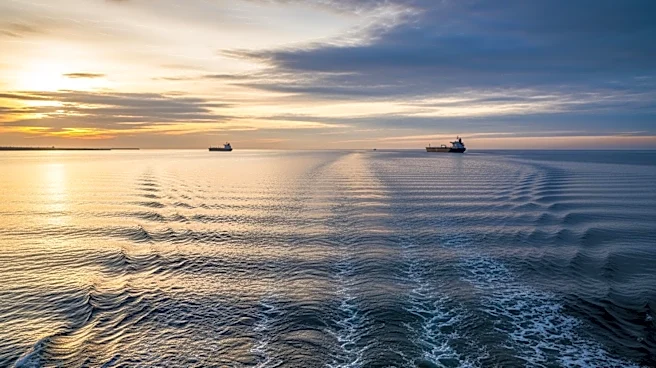
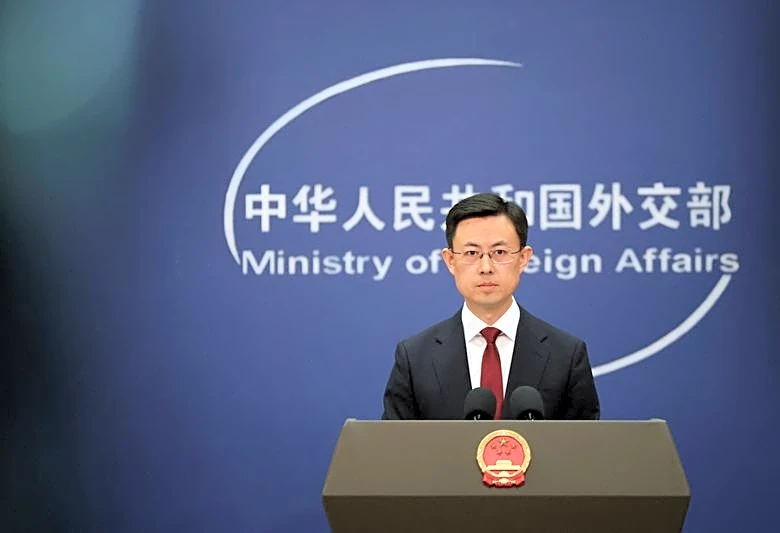
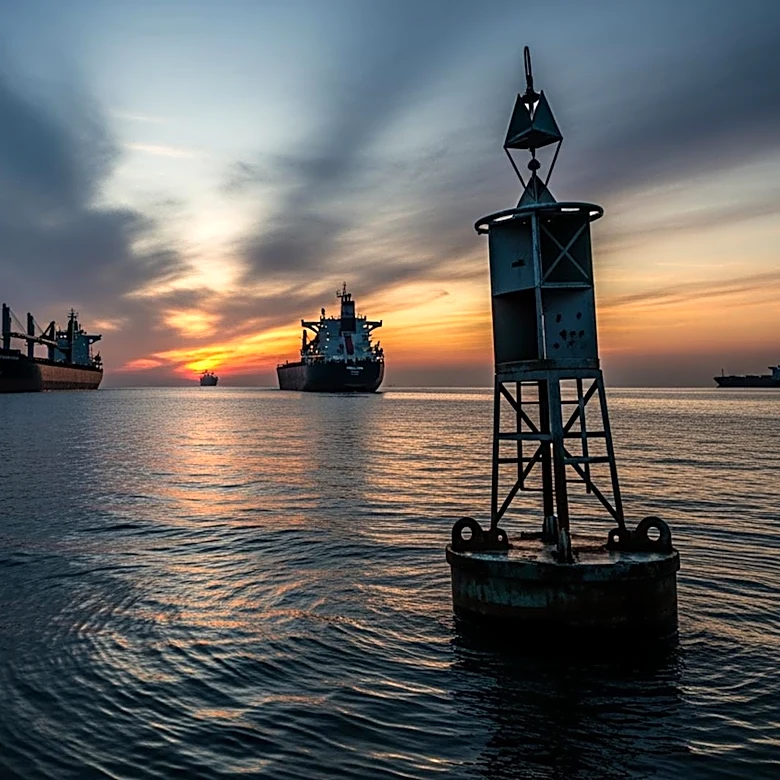
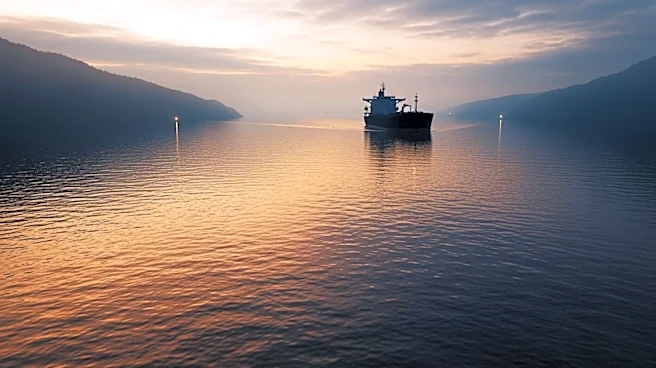
Mohammad Bagher Qalibaf, Speaker of the Iranian Parliament, has criticized the Western financial systems, particularly the U.S. Treasury, amid rising tensions in the Strait of Hormuz. Qalibaf's commentary highlights Iran's strategic leverage over global
energy markets, emphasizing the sentiment-driven nature of Western finance. His remarks followed Iran's firm stance in defending its territorial waters, which led to a surge in oil futures. The Strait of Hormuz, a critical chokepoint for global oil supply, remains under Iran's control, affecting market stability. Qalibaf's analysis points to the speculative nature of Western financial systems compared to the tangible benchmarks in oil markets.
Why It's Important?
The developments in the Strait of Hormuz have significant implications for global energy markets and Western economies. Iran's control over this vital shipping route allows it to influence oil prices, impacting economies reliant on stable energy supplies. Qalibaf's critique of Western financial systems underscores vulnerabilities in sentiment-driven markets, which can lead to volatility and economic instability. The situation highlights the geopolitical power dynamics in the region, with Iran asserting its sovereignty and strategic importance. This could lead to increased tensions between Iran and Western nations, affecting diplomatic relations and economic policies.
What's Next?
As tensions continue in the Strait of Hormuz, stakeholders in global energy markets will closely monitor Iran's actions and their impact on oil prices. Western nations may seek diplomatic solutions to mitigate risks and ensure stable energy supplies. Iran's strategic positioning could lead to further geopolitical negotiations, with potential implications for international trade and security policies. The situation may also prompt discussions on diversifying energy sources to reduce reliance on oil from volatile regions. Observers will watch for any shifts in Iran's approach and responses from Western governments.