




What's Happening?
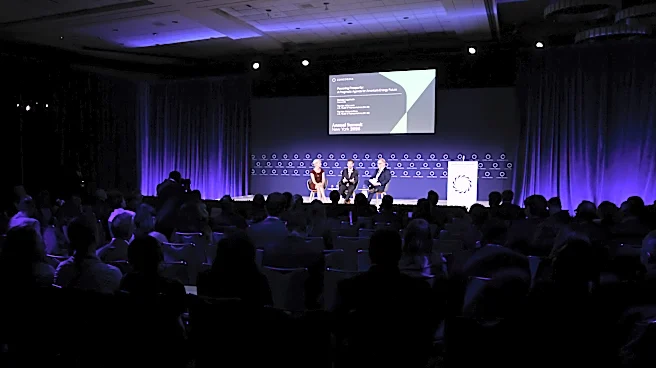
The CSIS Energy Security and Climate Change Program is hosting a virtual discussion featuring Dr. Julie Mulvaney Kemp, a Research Scientist at Lawrence Berkeley National Laboratory. The event, scheduled for November 13, 2026, will focus on new research
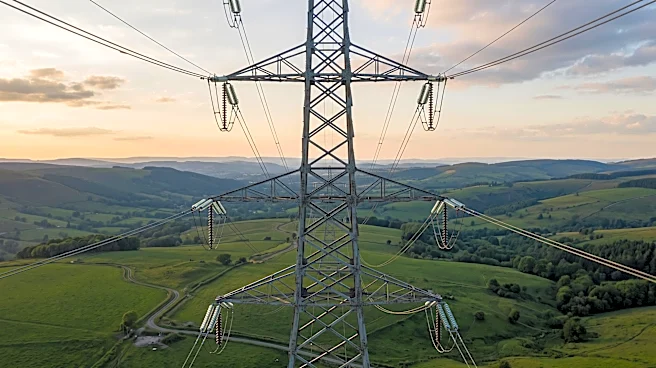
and emerging approaches to electricity transmission policy in the United States. Dr. Mulvaney Kemp will present insights from her 2025 Nature Communications article, which examines the economic value of expanding transmission between regions, how extreme weather and unexpected system conditions influence this value, and the obstacles hindering the construction of economically beneficial infrastructure. The discussion aims to explore the implications of these findings for transmission planning, investment, and the affordability and reliability of electricity. This event is part of a series that brings together scholars and thought leaders to offer policymakers new perspectives on persistent challenges in transmission, supported by the Connected Grid Initiative.
Why It's Important?
The discussion on U.S. electricity transmission policy is crucial for addressing the growing demand for power and ensuring grid reliability. As electricity consumption rises, driven by factors like data centers and industrial growth, the existing transmission infrastructure faces increasing strain. The research presented by Dr. Mulvaney Kemp highlights the economic benefits of expanding transmission capacity, which can reduce congestion, improve reliability, and connect new load centers. Understanding the barriers to infrastructure development is vital for policymakers to implement effective strategies that support grid modernization. The insights from this event could influence future investment decisions, regulatory frameworks, and planning processes, ultimately impacting electricity costs and availability for consumers and businesses across the nation. Strengthening the grid is essential for economic stability and national security, particularly in the face of extreme weather events and evolving energy demands.
What's Next?
The insights generated from this discussion are expected to inform ongoing policy debates and future research initiatives related to U.S. electricity transmission. Policymakers, industry leaders, and researchers will likely consider the findings on the economic value of transmission expansion and the identified barriers to development. This could lead to the formulation of new strategies for transmission planning, investment incentives, and regulatory reforms aimed at accelerating infrastructure projects. The continued collaboration between institutions like CSIS and Lawrence Berkeley National Laboratory, supported by initiatives such as the Connected Grid Initiative, suggests a sustained effort to address these complex challenges. Future events and publications are anticipated to further explore these themes, contributing to a more resilient, efficient, and affordable electricity grid for the nation.
Beyond the Headlines
The challenges in electricity transmission extend beyond mere infrastructure development; they touch upon complex legal, economic, and environmental considerations. The slow pace of transmission expansion, despite its economic benefits, often stems from protracted permitting processes, local opposition, and fragmented regulatory oversight. The discussion's focus on the economic value of transmission in the context of extreme weather underscores the increasing urgency of grid resilience in an era of climate change. Furthermore, the interplay between transmission capacity, clean energy integration, and electricity affordability highlights the ethical dimension of ensuring equitable access to reliable and sustainable power. Addressing these deeper implications requires a holistic approach that integrates technological solutions with policy innovation, community engagement, and a long-term vision for a modernized energy system.