






What's Happening?
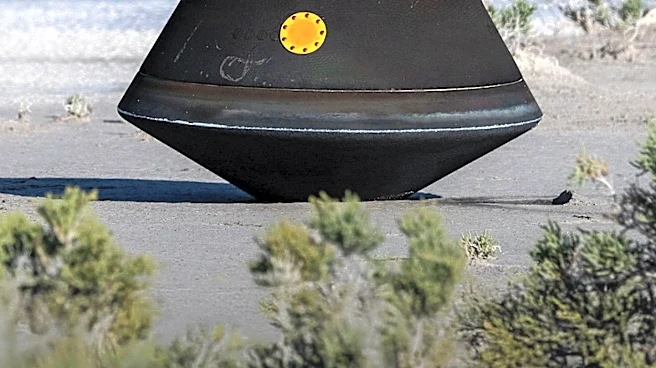
Six large metal spheres, informally called 'space balls,' were discovered on Forrest Beach in northern Queensland, Australia. The Australian Space Agency has identified these objects as likely being pressure vessels from a rocket that reentered Earth's
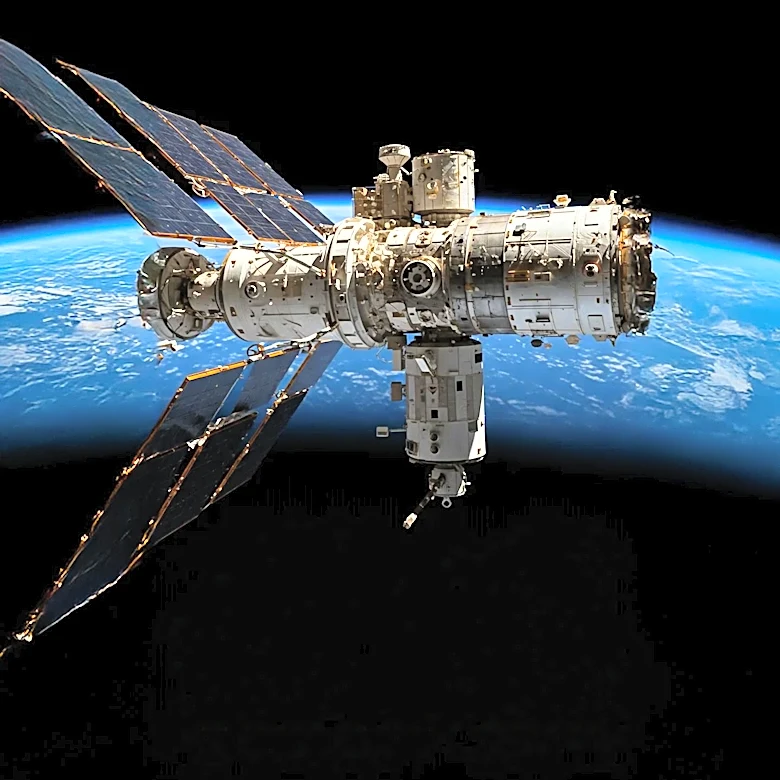
atmosphere. Initially, the public was advised to avoid the spheres due to potential hazards, but Queensland emergency responders have since deemed them safe. The agency is collaborating with international authorities to trace the origin of the debris. This incident underscores the increasing problem of space debris, which includes defunct satellites and other remnants from space missions. The United States Space Force reports a significant increase in tracked space debris, from 23,000 pieces in 2013 to 47,000 in 2024.
Why It's Important?
The discovery of these spheres highlights the growing issue of space debris, which poses risks to both space operations and terrestrial environments. As space exploration expands, the accumulation of debris increases the likelihood of collisions in orbit, which can create more debris and threaten active satellites. On Earth, while the probability of being hit by falling debris is extremely low, incidents have occurred, emphasizing the need for improved debris management. The aerospace industry is actively seeking solutions, such as designing satellites to minimize hazardous reentry and developing technologies to capture and remove debris. Addressing this issue is crucial for the sustainability of space activities and the safety of both space and terrestrial environments.
What's Next?
Efforts to mitigate space debris are ongoing, with space agencies and companies working on various strategies. The development of reusable rockets and robotic arms to capture defunct satellites are among the innovations being pursued. International cooperation is essential to establish guidelines and mitigation approaches to prevent space debris from becoming a more significant problem. As awareness of the risks associated with reentry increases, more operators are likely to design satellites with safer reentry profiles. Continued research and technological advancements will be necessary to manage the growing debris population and ensure the long-term viability of space exploration.