




What's Happening?
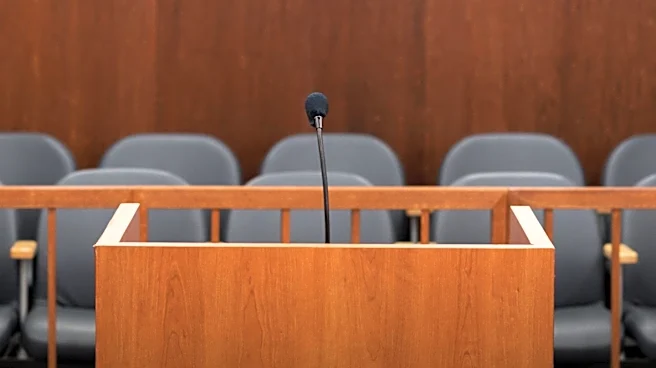
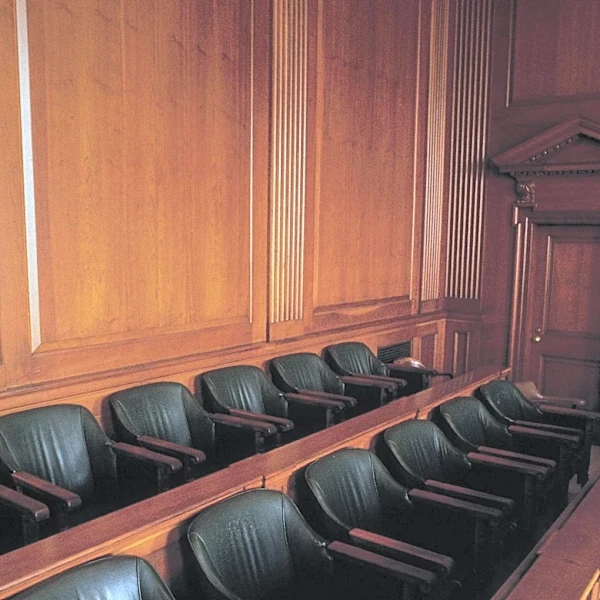
Six U.S. military officers have been selected as jurors for the first death penalty tribunal at Guantanamo Bay, concerning the USS Cole bombing case. The selection process, which concluded its second week, included two women from the Army Reserve. One,
a major and former helicopter pilot, was in middle school during the 9/11 attacks, while the other, a captain, was even younger. Neither had a specific memory of the October 12, 2000, USS Cole attack in Aden, Yemen, which killed seventeen sailors and wounded dozens. The defendant, Abd al-Rahim al-Nashiri, has been in U.S. custody since 2002 and was held in CIA prisons for the first four years, where he was tortured. Defense lawyers have indicated they will argue for no prison sentence if al-Nashiri is convicted and have sought permission to inform the jury that he would not necessarily go free even if found not guilty, a request the judge has yet to rule on.
Why It's Important?
The selection of jurors marks a significant step forward in a long-delayed and highly sensitive military commission case. The trial addresses a major act of terrorism against the U.S. military, and its outcome carries substantial implications for justice for the victims and their families. The fact that al-Nashiri was tortured in CIA prisons introduces a complex legal and ethical dimension, which defense lawyers intend to highlight. This aspect could influence the jury's decision regarding sentencing, potentially raising questions about the fairness and legitimacy of the proceedings given the circumstances of his detention. The case also continues to draw attention to the controversial nature of the Guantanamo Bay detention facility and the military commission system, which has faced criticism for its slow pace and legal challenges related to evidence obtained through coercive interrogation techniques. The outcome could set precedents for future military commission trials involving similar circumstances.
What's Next?
Jury selection will continue for another week before a Thanksgiving break, with five more officers to be examined. Proceedings will resume in December with 18 additional officers mobilized to Guantanamo Bay. The goal is to select a total of 20 people: 12 jurors, six alternates, and one each for prosecution and defense lawyers to excuse without cause. The judge, Army Col. Matthew Fitzgerald, will also need to rule on the defense's request to inform the jury that al-Nashiri would not necessarily be freed if acquitted. Once the jury is fully selected, the trial will proceed to the presentation of evidence and arguments, which is expected to be a lengthy and complex process given the nature of the charges and the defendant's history. The case will continue to be closely watched by legal experts, human rights organizations, and the public.
Beyond the Headlines
This trial delves into profound ethical and legal questions surrounding the U.S. government's post-9/11 counter-terrorism strategies, particularly the use of enhanced interrogation techniques. The defense's intent to highlight al-Nashiri's torture in CIA prisons brings the controversial history of these practices directly into the courtroom, forcing a public reckoning with past actions. This could reignite debates about accountability for those involved in such interrogations and the long-term impact on the U.S.'s moral standing. Furthermore, the ongoing nature of trials at Guantanamo Bay, more than two decades after the events that led to their creation, underscores the challenges of prosecuting terrorism suspects outside conventional civilian courts. The case serves as a stark reminder of the enduring legal and ethical dilemmas associated with the 'War on Terror' and its legacy, potentially influencing future policy discussions on detention, interrogation, and military justice.