








What's Happening?
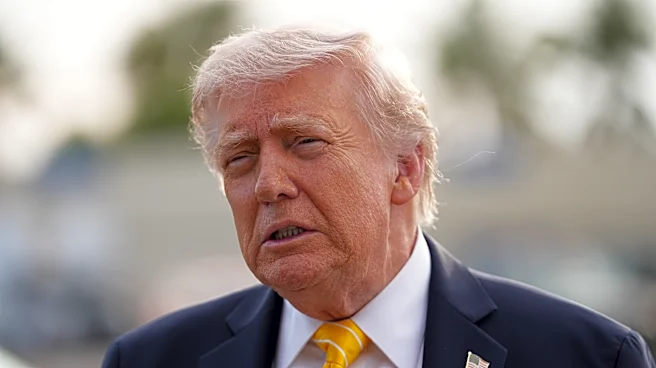
President Donald Trump announced that he is reviewing a new proposal from Iran aimed at ending the ongoing conflict. The proposal, reportedly sent via Pakistan, consists of 14 points in response to a nine-point U.S. proposal. This development follows
a previous rejection of an Iranian proposal by President Trump, although a three-week ceasefire remains in place. The U.S. has also proposed reopening the Strait of Hormuz, a critical passage for global oil and gas trade. Meanwhile, the health of imprisoned Iranian rights lawyer Narges Mohammadi has raised international concern, with calls for her transfer to Tehran for medical treatment.
Why It's Important?
The review of Iran's proposal by President Trump could signal a potential shift in U.S.-Iran relations, impacting geopolitical stability in the region. The Strait of Hormuz is a strategic chokepoint for global energy supplies, and its reopening could alleviate tensions and stabilize oil markets. However, the situation remains delicate, with the U.S. warning shipping companies of potential sanctions related to the strait. The health crisis of Narges Mohammadi highlights ongoing human rights concerns in Iran, drawing international attention and pressure on Iranian authorities.
What's Next?
The outcome of President Trump's review of the Iranian proposal could lead to renewed diplomatic efforts or further escalation, depending on the response from both sides. The international community will likely monitor the situation closely, particularly regarding the Strait of Hormuz and its implications for global energy security. Additionally, the handling of Narges Mohammadi's health crisis may influence international perceptions of Iran's human rights record, potentially affecting diplomatic relations and negotiations.