





What's Happening?
Researchers exploring seamounts on the Nazca Ridge have identified a novel form of giant bubblegum coral, named *Paragorgia quitinosa*, which lacks a rigid skeletal axis. This deep-water octocoral, belonging to a genus known for massive, multi-meter colonies,
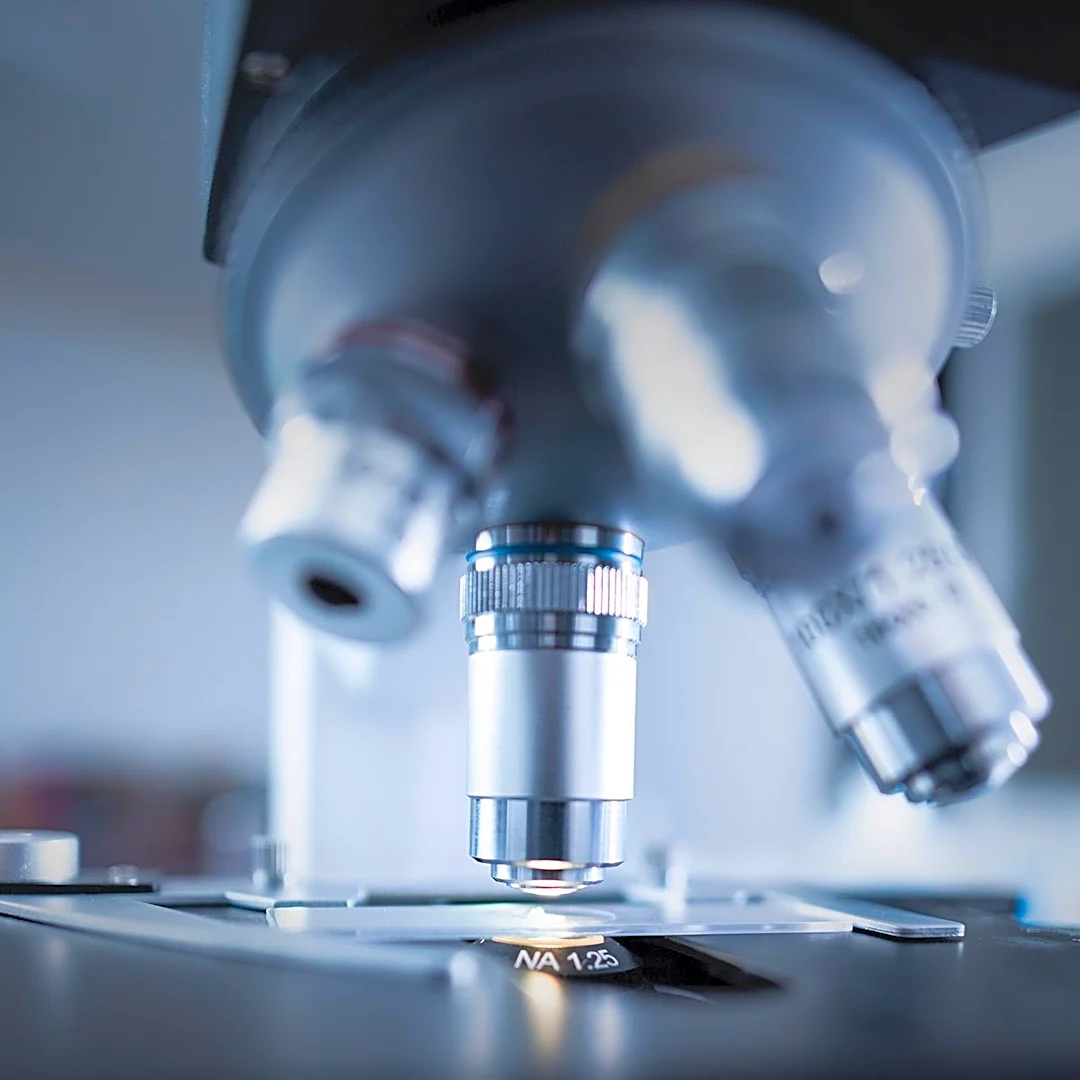
maintains its structure through a hidden network of flexible chitin within its body. This discovery resolves a century-old biological mystery regarding how such large, branching coral colonies can withstand deep-sea currents without a solid internal skeleton. Chemical and microscopic analyses, including scanning electron microscopy and spectrography, revealed a complex web of chitin, a rigid and pliable polysaccharide commonly found in crab shells and insect exoskeletons. This is only the third reported instance of chitin in octocoral tissues across all Anthozoa species.
Why It's Important?
The discovery of *Paragorgia quitinosa* and its chitin-based support system is significant for marine biology and biomechanics. It provides a crucial explanation for how large, soft-bodied organisms can construct substantial marine structures in challenging deep-sea environments. This finding sheds light on evolutionary questions about structural stability in organisms lacking traditional skeletal support and highlights the diverse strategies life employs to thrive in extreme conditions. Understanding the biomechanical principles behind this coral's flexibility and resilience could inspire new materials science and engineering applications, particularly in the development of flexible yet robust structures. Furthermore, it underscores the vast biodiversity yet to be discovered in deep-sea ecosystems and the importance of continued exploration and conservation efforts in these vulnerable environments.
What's Next?
Following this discovery, researchers plan to conduct direct biomechanical testing and measurements to fully understand how hydraulic pressure, in conjunction with the flexible chitin canals, enables the coral's branching stalks to bend and maintain their form. Further studies will likely investigate whether other species of bubblegum corals utilize similar chitin frameworks and if the density of this framework varies across different ocean depths. The identification of *P. quitinosa* will also contribute to broader efforts in marine biology to map and preserve deep-sea environments before species extinction occurs. This research may also lead to a re-evaluation of existing classifications and understanding of structural biology in marine invertebrates, potentially uncovering more chitin-based structures in other soft-bodied organisms.
Beyond the Headlines
The revelation of chitin as a structural scaffold in *Paragorgia quitinosa* offers a fascinating glimpse into the ingenuity of natural engineering. This discovery challenges previous assumptions about the necessary components for large-scale biological structures in the deep sea, suggesting that flexibility and internal scaffolding can be as effective as rigid external skeletons. It highlights the potential for biomimicry, where nature's solutions can inspire human innovation in fields like robotics, architecture, and material science, particularly for applications requiring both strength and flexibility. Moreover, this finding emphasizes the critical need for continued deep-sea exploration, as these environments harbor unique biological mechanisms that could hold keys to understanding life's adaptability and developing sustainable solutions for human challenges. The mystery solved is not just about a coral, but about the fundamental principles of biological construction.