
What's Happening?
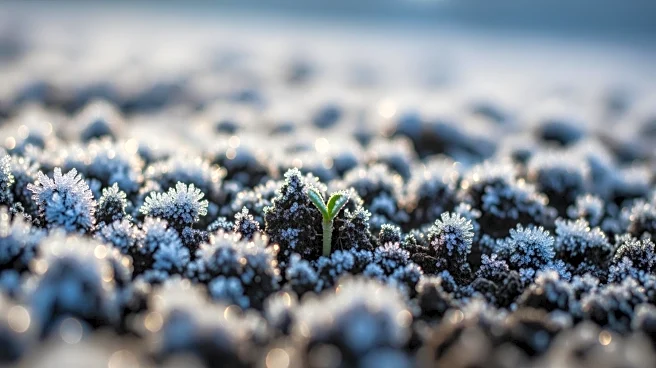
A recent column highlights the benefits of cold weather, particularly in the Midwest, where it plays a crucial role in maintaining soil productivity. According to the University of Illinois Department
of Extension Service, cold winter air helps preserve organic matter in the soil by putting bacteria into dormancy, which is essential for the productivity of native plants, gardens, and field crops. This process is why Illinois is known for having some of the best soil in the world. Additionally, cold weather is beneficial for native plants that require a period of cold stratification to germinate in spring. The article also notes that cold weather can have positive effects on human mood and brain function, as evidenced by activities like the annual polar bear plunge into Lake Michigan.
Why It's Important?
The significance of cold weather extends beyond agriculture to impact human health and well-being. The preservation of soil productivity is vital for the agricultural sector, which is a significant part of the Midwest's economy. Cold weather ensures that crops and native plants can thrive, supporting biodiversity and food production. For humans, exposure to cold weather, when done safely, can enhance mood and cognitive function, offering a natural way to boost mental health. This underscores the importance of embracing seasonal changes and understanding their broader ecological and psychological benefits.
What's Next?
As climate patterns continue to shift, the agricultural sector may need to adapt to changes in winter temperatures. Warmer winters could lead to reduced soil productivity and lower crop yields, necessitating new farming strategies. Additionally, public health initiatives might explore promoting safe cold weather activities to enhance community well-being. Monitoring these developments will be crucial for policymakers and stakeholders in agriculture and public health.
Beyond the Headlines
The cultural embrace of cold weather activities, such as the polar bear plunge, highlights a societal shift towards recognizing the health benefits of natural elements. This trend could lead to increased interest in outdoor winter activities and wellness practices that incorporate cold exposure. Furthermore, understanding the ecological role of cold weather in maintaining soil health could influence environmental policies aimed at preserving natural habitats and promoting sustainable agriculture.