





What's Happening?
For over two decades, the United States has significantly invested in global school meal access through the McGovern-Dole International Food for Education and Child Nutrition Program. Administered by the U.S. Department of Agriculture’s Foreign Agricultural
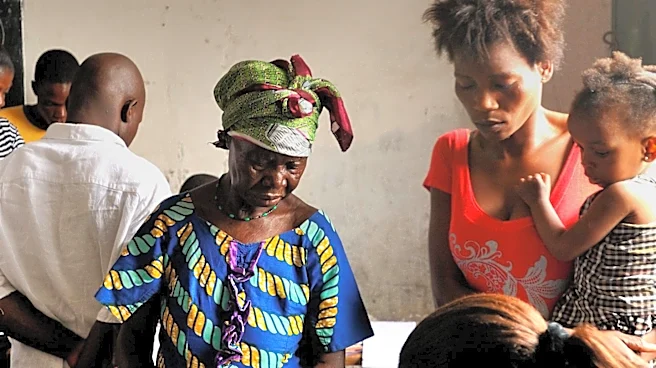
Service (FAS), this program provides school meals in low-income, food-deficit countries. Its primary goals are to improve nutrition and educational outcomes for children, bolster local economies, and advance U.S. agricultural and foreign policy interests. Since its inception in 2003, the McGovern-Dole program has benefited over 40 million individuals, including infants, children, pregnant and nursing women, and school community members. In Fiscal Year 2023 alone, the program reached more than 2.9 million beneficiaries across 5,000 schools in Africa. For Fiscal Year 2026, up to $240 million in new cooperative agreements will be awarded to priority countries such as Bolivia, Ecuador, Guinea (Conakry), Honduras, Liberia, and Timor-Leste.
Why It's Important?
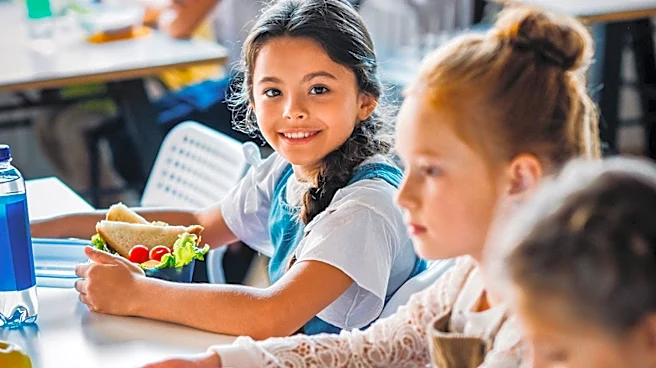
The McGovern-Dole program is crucial because it addresses multiple facets of global development: nutrition, education, and economic stability. By providing consistent meals, it directly combats hunger and malnutrition, which are significant barriers to learning and overall child development. School meals have been shown to increase school enrollment rates by up to nine percent and daily attendance by 8-10 percent, leading to improved academic performance. Furthermore, the program supports local economies by often sourcing food from local farmers, thereby creating predictable markets and income opportunities for smallholder producers. This dual benefit of improving child welfare and supporting agricultural sectors makes it a highly effective tool for sustainable development and U.S. foreign policy objectives, demonstrating American leadership in global food security.
What's Next?
The McGovern-Dole program is set to continue its global reach with significant funding allocated for Fiscal Year 2026, targeting several priority countries. This sustained investment indicates a continued commitment from the U.S. government to global food security and education initiatives. Advocacy groups, such as Bread for the World, are actively campaigning for robust congressional investment in the program, emphasizing its proven effectiveness. Future efforts will likely focus on expanding access in lower-income countries, where millions of children still lack regular access to school meals. The program's success may also serve as a model for other international aid efforts, potentially influencing global strategies for combating hunger and improving educational outcomes.
Beyond the Headlines
Beyond its immediate benefits, the McGovern-Dole program embodies a long-term vision for human capital development in vulnerable regions. By ensuring children receive adequate nutrition, it lays the groundwork for healthier, more educated future generations who can contribute more effectively to their national economies and societies. The program also subtly reinforces diplomatic ties and soft power for the United States by demonstrating a commitment to humanitarian aid and global well-being. Ethically, it highlights the international responsibility to address food insecurity and educational disparities, particularly in regions most affected by poverty and conflict. This sustained effort reflects a belief that investing in children's basic needs is fundamental to global stability and prosperity.