

What's Happening?
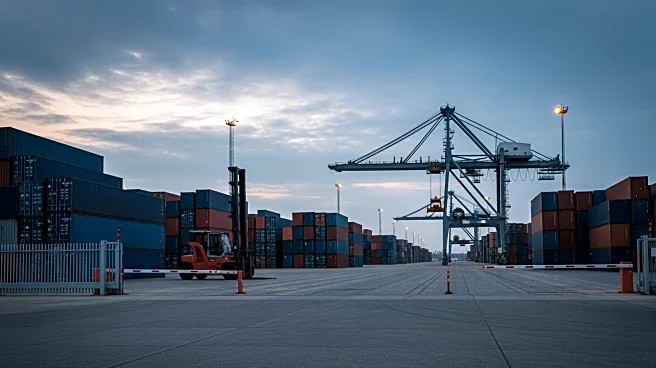
Indigenous protesters have taken control of Cargill's Santarem river port terminal in Brazil's Para state, halting operations at the site. The U.S. grain trader reported that the occupation forced employees to evacuate the terminal. The protest is in response
to proposed plans to dredge local rivers, such as the Tapajos, which are crucial for transporting grains like soy and corn to export markets. Cargill has stated that it has no control over the dredging plans and has reported evidence of vandalism and damage to assets at the terminal. The protesters have been blocking access to the terminal since January 22, but the impact on operations was limited as most grains arrive by barge. The protesters demand that Brazil's government reconsider a decree that would allow dredging, arguing it would harm water quality and local fishing.
Why It's Important?
The occupation of Cargill's terminal highlights the ongoing tensions between indigenous communities and large corporations over environmental and land rights issues. The protest underscores the broader conflict over resource management in the Amazon, where economic interests often clash with environmental and indigenous rights. The disruption at the terminal could have significant economic implications, as Cargill is a major player in the global grain market, and any prolonged halt in operations could affect supply chains. Additionally, the protest draws attention to the environmental impact of industrial activities in the Amazon, raising questions about sustainable development and the rights of indigenous peoples.
What's Next?
Cargill is in contact with local authorities to arrange an orderly and safe eviction of the protesters. The situation may escalate if the government does not address the protesters' demands, potentially leading to further disruptions. The Brazilian government's response will be crucial in determining the outcome, as it balances economic interests with environmental and social concerns. The international community may also weigh in, given the global significance of the Amazon and the role of multinational corporations in the region.