



What's Happening?
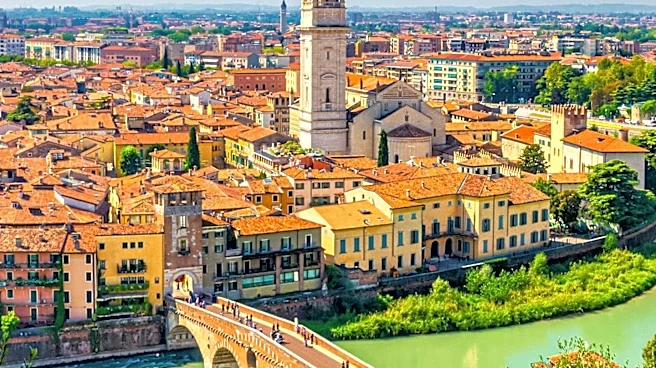
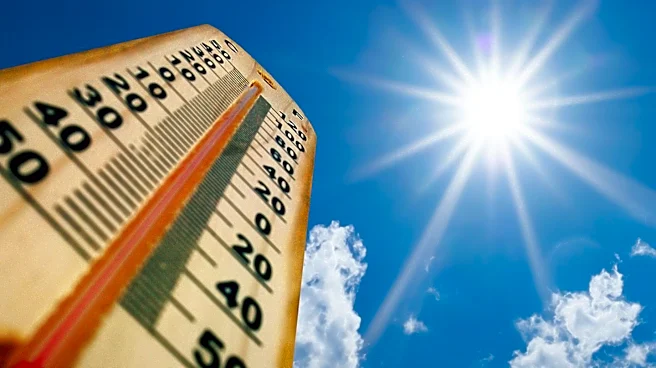
Europe is experiencing a severe heatwave, with temperatures reaching unprecedented levels across the continent. Italy has placed all 27 cities it monitors, including Rome and Venice, on red alert. The World Meteorological Organization reported that June
was the hottest month ever recorded in Western Europe. The heat has led to significant public health challenges, with France reporting at least 5,700 excess deaths during the June heatwave. Many of the victims were elderly individuals living alone. Germany has also recorded nearly 100 drownings during the heatwave.
Why It's Important?
The ongoing heatwave in Europe highlights the severe impacts of climate change on public health and infrastructure. The high number of excess deaths underscores the vulnerability of certain populations, particularly the elderly, to extreme heat. The situation calls for urgent action to improve heatwave preparedness and response strategies, including better infrastructure, public awareness campaigns, and support systems for vulnerable groups. The economic implications are also significant, affecting sectors such as tourism and agriculture, and necessitating long-term adaptation strategies.
Beyond the Headlines
The heatwave in Europe is a stark reminder of the broader impacts of climate change, which are expected to increase in frequency and intensity. The situation raises ethical questions about the responsibility of governments and societies to protect vulnerable populations and mitigate the effects of climate change. It also highlights the need for international cooperation to address global warming and its consequences. The cultural and social dimensions of the heatwave, such as changes in lifestyle and urban planning, are also important considerations for future resilience.