





What's Happening?
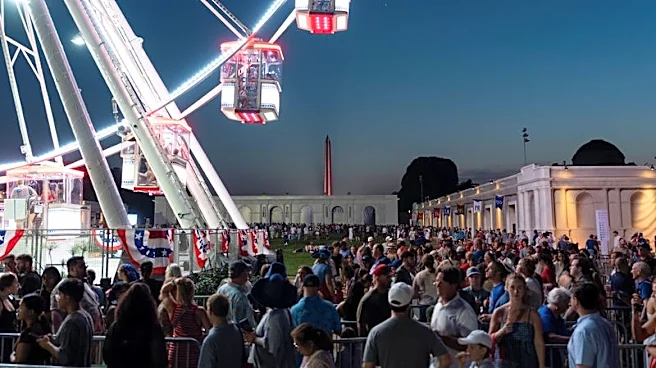
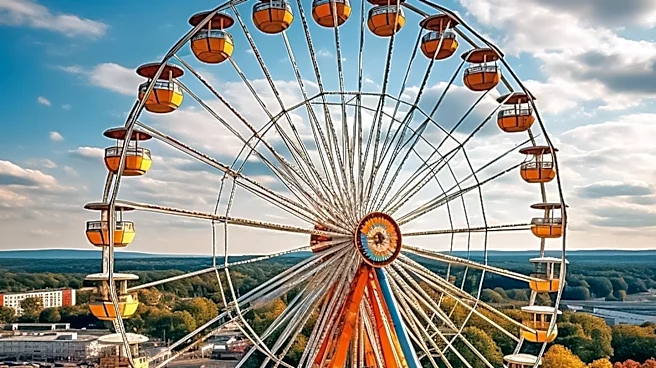
The Great American State Fair, part of the U.S. 250th anniversary celebrations, faced challenges with low attendance and extreme heat. Promoted by President Trump as an unforgettable event, the fair was held on the National Mall in Washington, D.C. Despite
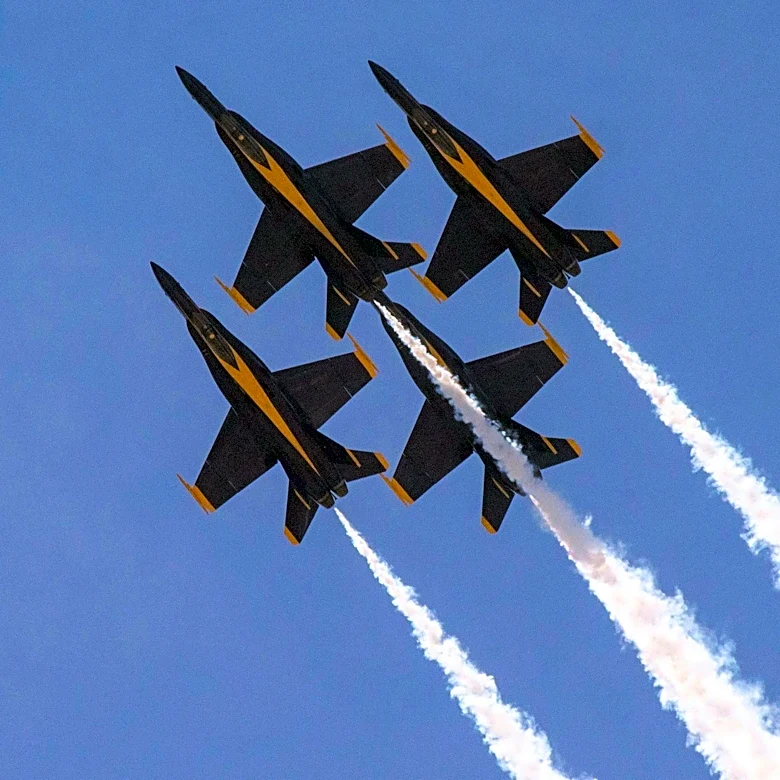
the hype, the event struggled with thin crowds and high temperatures, which exceeded 100°F. The heat led to over a dozen people being treated for heat-related illnesses, and 11 were hospitalized. The fair featured state pavilions and military flyovers, but many attendees were more focused on finding relief from the heat than engaging with the exhibits. Some states chose not to participate, citing concerns about the event's perceived partisanship.
Why It's Important?
The fair's challenges highlight the difficulties in organizing large-scale public events amid extreme weather conditions, which are becoming more common due to climate change. The low attendance and heat-related issues also reflect the complexities of hosting national celebrations that aim to be inclusive and non-partisan. The event's struggles may influence future planning for national celebrations, particularly in terms of addressing climate impacts and ensuring broad public engagement. Additionally, the fair's reception underscores the ongoing political polarization in the U.S., as some states and individuals chose to distance themselves from the event.
What's Next?
The fair is expected to continue with adjustments to accommodate the heat, such as providing more shaded areas and cooling stations. Organizers may also need to address the political concerns raised by some states and attendees to ensure future events are more inclusive. The fair's outcome could prompt discussions on how to better prepare for and manage large public events in extreme weather conditions, as well as how to foster a more unified national celebration.