








What's Happening?
Afghanistan's Minister of Agriculture, Irrigation and Livestock, Mawlawi Attaullah Omari, has called for technical assistance from India to modernize Afghanistan's agricultural sector. During an interactive session organized by the PHD Chamber of Commerce
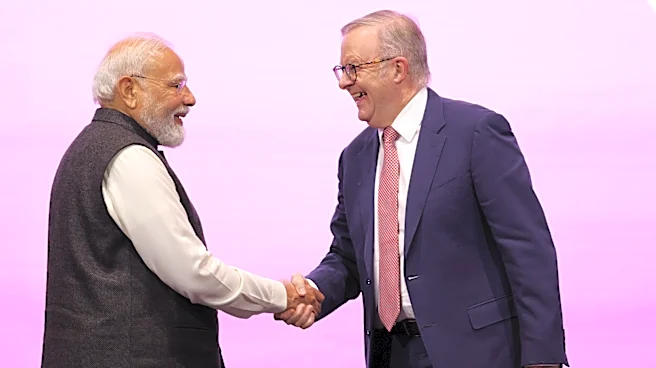
and Industry (PHDCCI), Minister Omari emphasized the historical and cultural ties between Afghanistan and India, expressing gratitude for the hospitality extended to his delegation. He highlighted the importance of agriculture and livestock farming, which supports 80% of Afghanistan's population. The minister's visit included discussions with India's Union Minister for Agriculture & Farmers' Welfare and Rural Development, Shivraj Singh Chouhan, focusing on enhancing cooperation in areas such as agricultural research, education, capacity building, and trade.
Why It's Important?
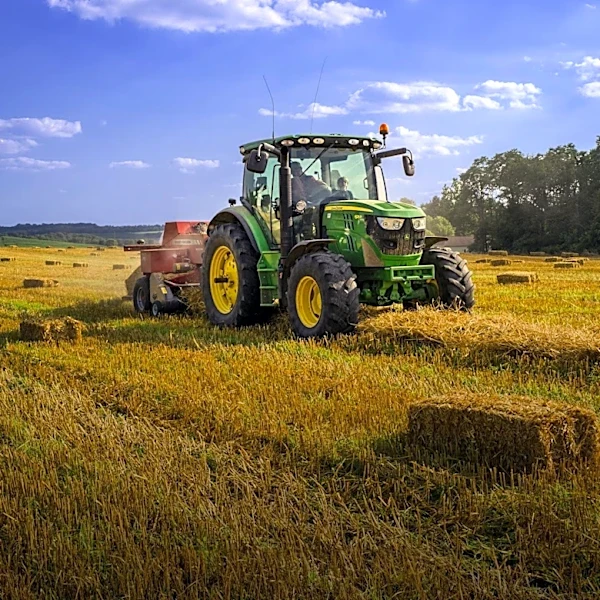
The request for Indian assistance is significant as it underscores Afghanistan's reliance on agriculture as a critical component of its economy and social stability. By seeking India's expertise, Afghanistan aims to improve crop productivity and agricultural practices, which could lead to increased food security and economic growth. This collaboration could also strengthen regional stability by fostering closer ties between the two countries. For India, supporting Afghanistan's agricultural sector aligns with its broader regional strategy and enhances its influence in South Asia. The partnership could open new avenues for trade and investment, benefiting both nations economically.
What's Next?
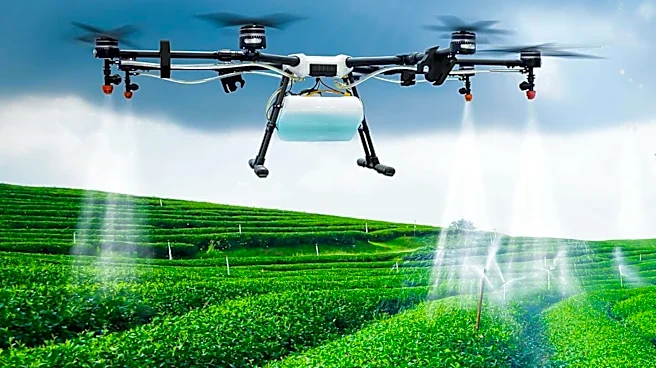
The next steps involve detailed discussions between Afghan and Indian officials to outline specific areas of cooperation and technical assistance. Potential initiatives may include the exchange of agricultural technology, training programs for Afghan farmers, and joint research projects. Both countries are likely to explore opportunities for expanding trade in agricultural products, which could further integrate Afghanistan into regional markets. The success of this collaboration will depend on sustained diplomatic engagement and the ability to implement agreed-upon projects effectively.