


What's Happening?
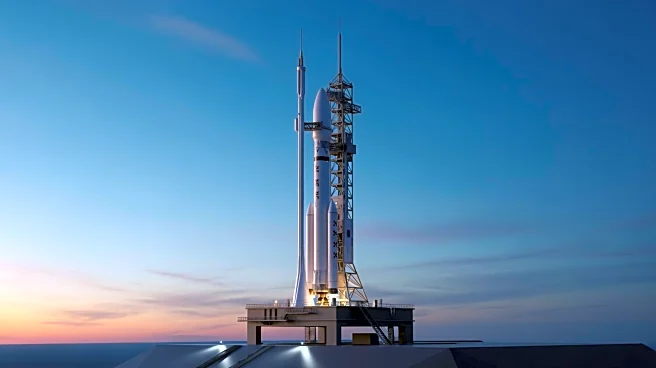
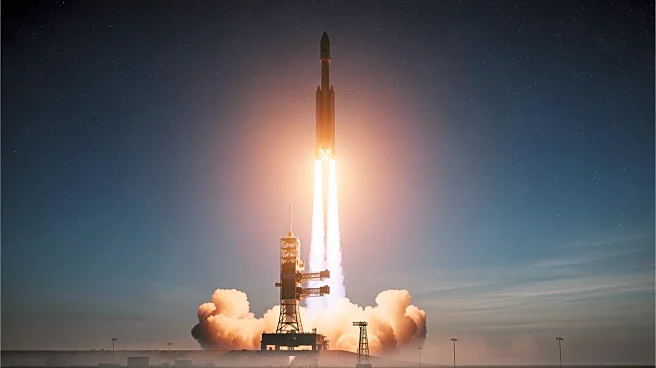
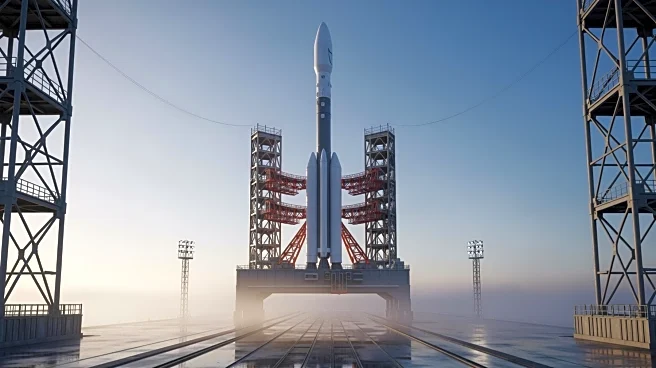
NASA is preparing for the Artemis II mission, a significant step in its Artemis Program aimed at returning humans to the moon. The mission, which follows the uncrewed Artemis I test flight in 2022, is set to take astronauts on a lunar fly-by. However,
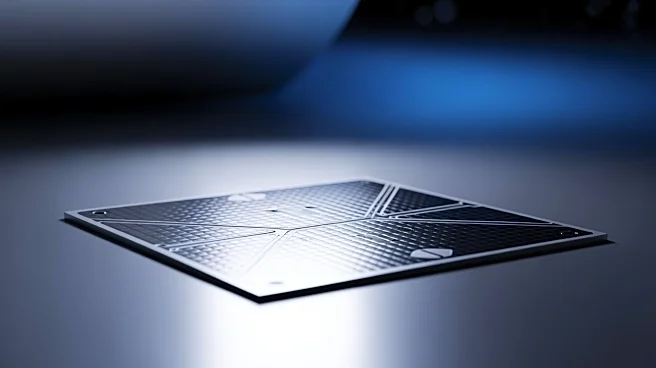
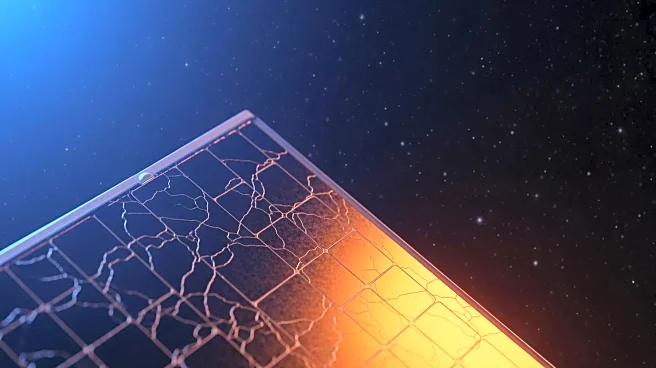
concerns have been raised about the integrity of the Orion spacecraft's heat shield, which is crucial for the safe reentry of the crew. Former astronaut Dr. Danny Olivas and other experts have highlighted potential risks, drawing parallels to the Space Shuttle Columbia disaster in 2003. Despite these concerns, NASA maintains confidence in the heat shield's design, which includes the Avcoat material and the new 3-Dimensional Multifunctional Ablative Thermal Protection System (3DMAT). The launch, initially planned for early February 2026, has been delayed to March due to unrelated liquid hydrogen leaks during testing.
Why It's Important?
The Artemis II mission is a pivotal moment in NASA's efforts to advance human space exploration, with plans to eventually land astronauts on Mars. The safety concerns surrounding the Orion spacecraft's heat shield are critical, as they directly impact the mission's success and the safety of the astronauts involved. Addressing these issues is essential to maintaining public and stakeholder confidence in NASA's capabilities. The outcome of this mission could influence future funding and support for NASA's long-term goals, including establishing a sustainable human presence on the moon and beyond. The mission's success or failure could also affect international collaborations and partnerships in space exploration.
What's Next?
NASA is expected to continue addressing the heat shield concerns by refining the reentry plan to ensure astronaut safety. The agency will likely conduct further tests and evaluations to validate the heat shield's performance under mission conditions. Stakeholders, including international space agencies and private sector partners, will be closely monitoring these developments. The delay in the launch window provides NASA with additional time to implement necessary adjustments and ensure all safety protocols are met. The space community and the public will be watching closely as the new launch date approaches, with the potential for further delays if additional issues arise.