



What's Happening?
The Hawaiʻi State Archives, a division of the Department of Accounting and General Services (DAGS), is celebrating National Archives Month by dedicating its yearly exhibits to the past, present, and future of Waikīkī. Acting Lieutenant Governor Keith
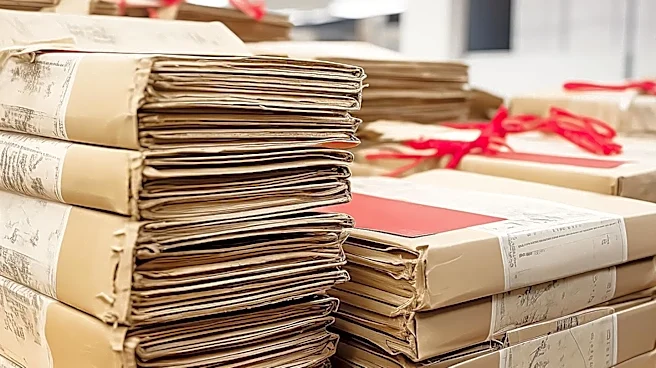
Regan, who also serves as the DAGS director and state comptroller, emphasized the crucial role archivists play in preserving collective public memory and identity. State Archivist Adam Jansen curated these records into weekly online exhibits, making them widely accessible to the public. These exhibits will also be available for in-person viewing at the Archives public records room during weekdays. The initiative aims to showcase a portion of the Archives' extensive holdings, including some never-before-seen materials, to highlight the historical significance of Waikīkī. The celebration underscores the importance of historical documents in understanding past events, decisions, and cultural movements.
Why It's Important?
This celebration of National Archives Month by the Hawaiʻi State Archives is important for several reasons. Firstly, it highlights the critical role of archival institutions in preserving historical records, which serve as foundational evidence of past events and cultural heritage. By focusing on Waikīkī, a globally recognized symbol of Hawaii, the Archives are making local history accessible to a broader audience, fostering a deeper understanding of the region's development and cultural evolution. The online accessibility of these exhibits ensures that this historical knowledge can reach both residents and those interested in Hawaii's heritage from afar. This initiative also reinforces the value of public institutions in maintaining transparency and providing resources for historical research and education, contributing to a more informed citizenry and a stronger sense of community identity.
What's Next?
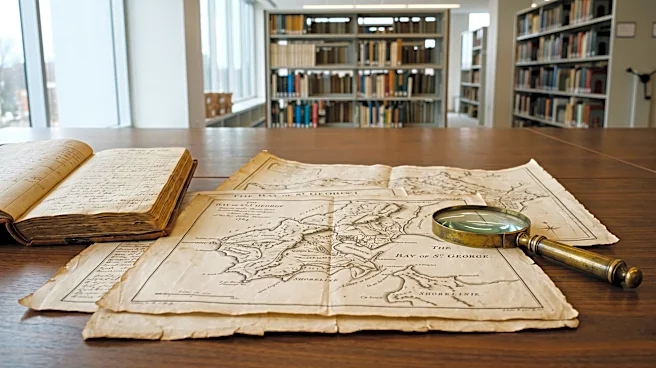
The Hawaiʻi State Archives has outlined a detailed schedule for its weekly exhibits throughout National Archives Month. The initial week will delve into the 19th-century history of Waikīkī, featuring the first known map of the area documented by a Russian expedition. Subsequent weeks will explore Waikīkī's representation in art and music, followed by an exhibit focusing on its hotels. The fourth week will highlight the development of Waikīkī through construction projects between Chinatown and Waikīkī, utilizing photos from the Williams family's collection. The final week's exhibit, titled “Conservation of Waikīkī,” will showcase the personal files of the late Nancy Bannick, who was a prominent advocate for preserving Oahu’s historical places. These exhibits will be available both online via the Hawaiʻi State Archives website and social media pages, and in person at the Archives public records room.
Beyond the Headlines
The Hawaiʻi State Archives' focus on Waikīkī for National Archives Month extends beyond a simple historical display; it delves into the deeper cultural and ethical dimensions of preservation and identity. By showcasing the evolution of Waikīkī, the Archives are not just presenting facts but are also engaging with the concept of collective memory and how it shapes a community's understanding of itself. The inclusion of Nancy Bannick's personal files in the 'Conservation of Waikīkī' exhibit highlights the long-standing efforts and ethical considerations involved in safeguarding historical places against development pressures. This initiative implicitly encourages a dialogue about the balance between progress and preservation, and the responsibility of current generations to protect cultural heritage for future ones. The use of a Hawaiian proverb, 'I ka wā ma mua, ka wā ma hope: The lessons of the past are the keys to the future,' underscores the profound cultural belief in the interconnectedness of past, present, and future, emphasizing that historical understanding is vital for navigating contemporary challenges and shaping a sustainable future.