






What's Happening?
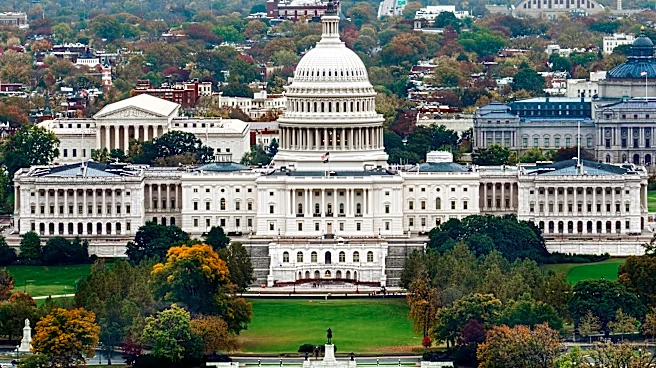
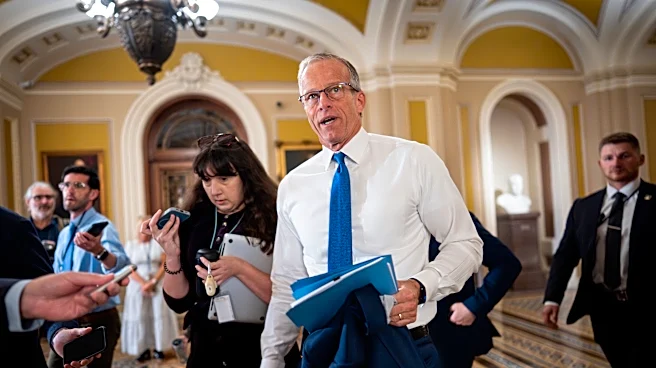
U.S. Senator Josh Hawley (R-MO) has publicly attributed recent Republican election losses to the party's perceived abandonment of working-class Americans. Speaking at the Capitol, Senator Hawley criticized cuts to Medicaid, despite having voted in favor
of legislation in July 2025 that the Congressional Budget Office estimated would reduce federal Medicaid spending by nearly $1 trillion over a decade. This legislation, a sweeping tax and spending law championed by President Trump, passed the Senate on a 50-50 tie, broken by Vice President JD Vance, with Senator Hawley's vote. Prior to his vote, Senator Hawley had been a vocal critic of Medicaid reductions, calling them 'morally wrong and politically suicidal' in a May 2025 New York Times opinion column. He ultimately supported the bill after negotiators included a $50 billion rural health fund and delayed certain Medicaid funding reductions. Following the election results, Senator Hawley also announced plans for a one-hour gathering for fasting and prayer at the U.S. Capitol next month, describing it as a 'historic response' to the election outcomes.
Why It's Important?
Senator Hawley's comments highlight a significant internal debate within the Republican Party regarding its direction and core priorities following a challenging election cycle. His critique, particularly concerning Medicaid cuts, underscores a potential disconnect between the party's legislative actions and its stated commitment to working-class voters. This internal friction could lead to shifts in the Republican platform, potentially influencing future policy debates on healthcare, social safety nets, and economic issues. The Democratic Party's gains in both chambers of Congress and in the Missouri state legislature, as noted in the source, further amplify the pressure on Republicans to re-evaluate their strategies. The call for a 'historic response' through fasting and prayer also introduces a spiritual dimension to the political discourse, potentially mobilizing a specific segment of the Republican base and influencing the party's messaging moving forward.
What's Next?
The immediate aftermath of Senator Hawley's statements includes ongoing discussions within the Republican Party about leadership elections, with some senators calling for a postponement to allow for a deeper examination of the election results. Senator Hawley himself has declined to endorse the current leadership team, indicating potential challenges to the status quo. His planned gathering for fasting and prayer in December could serve as a platform for further articulating his vision for the party's future and potentially galvanizing support for his perspective. Legislatively, Senator Hawley had previously introduced legislation to reverse some Medicaid reductions and expand the rural health fund, which has remained in the Senate Finance Committee without further action. The renewed debate within the GOP could reignite efforts to address these issues, potentially leading to new legislative proposals or amendments in the upcoming congressional sessions.
Beyond the Headlines
Senator Hawley's remarks touch upon a broader ideological struggle within the Republican Party: the tension between fiscal conservatism, which often advocates for reduced government spending on programs like Medicaid, and a populist appeal to working-class voters who rely on such programs. His attempt to reconcile these positions by supporting a bill with Medicaid cuts while simultaneously criticizing them and introducing legislation to reverse them highlights the complexities of modern conservative politics. The emphasis on 'abandoning pro-lifers, the needy, the poor, and working people' suggests a moral and ethical framework that Senator Hawley believes the party has strayed from. This narrative could resonate with a segment of the electorate that feels overlooked by traditional political establishments, potentially shaping the long-term identity and electoral strategy of the Republican Party.