






What's Happening?
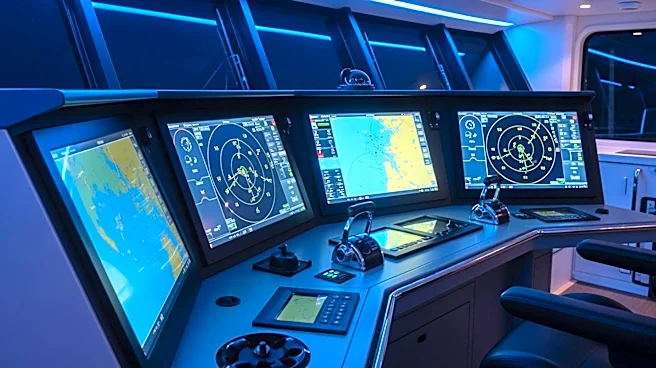
Australia has initiated its first live trial of S-100 digital navigation data on operational cruise vessels in Sydney Harbour. This trial, led by the Australian Hydrographic Office in collaboration with Carnival Cruise Lines, Tidetech, and OSI Maritime
Systems, aims to test dynamic tidal and current information on ship bridges. The S-100 standard, developed by the International Hydrographic Organization, allows for multiple interoperable data layers, such as charts, tides, and currents, to be displayed together, enhancing navigational decision-making. The trial involves two Carnival cruise ships and uses high-resolution datasets to provide real-time water level and current information, offering a practical test environment in Sydney Harbour's challenging conditions.
Why It's Important?
The live trial of S-100 digital navigation data represents a significant advancement in maritime navigation technology. By providing real-time, dynamic data, it enhances situational awareness for bridge teams, particularly in complex and constrained environments like Sydney Harbour. This development could lead to improved safety and efficiency in maritime operations, reducing the risk of navigational errors. For data providers, the trial offers valuable insights into how high-resolution data is used in real-world settings, potentially informing future enhancements in digital navigation services. The successful implementation of S-100 could set a precedent for international adoption, influencing global maritime navigation standards.
What's Next?
Insights from the trial, expected in early June, will inform the future development and deployment of S-100-based navigation services. As international standards continue to mature, the feedback from this trial will be crucial in shaping future navigation practices. The collaboration between hydrographic offices, cruise lines, and data specialists highlights the importance of industry partnerships in advancing maritime technology. The trial's outcomes could lead to broader implementation of S-100 standards, potentially transforming navigational practices worldwide.