


What's Happening?
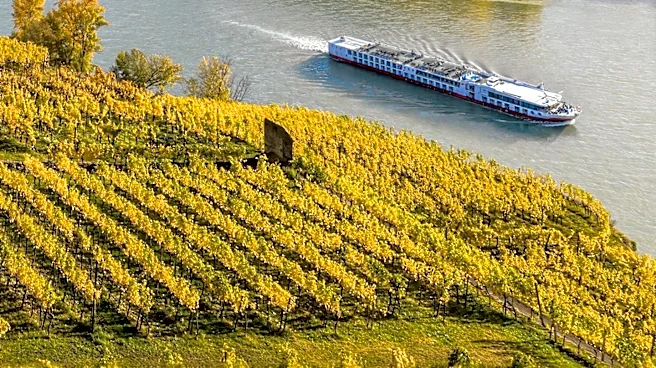
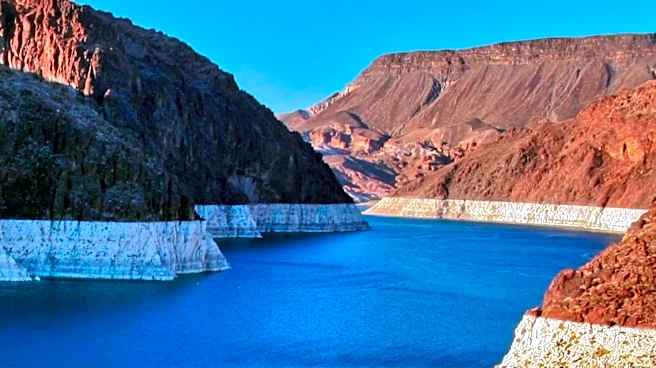
European river cruises are facing significant disruptions due to record low water levels caused by a severe drought. Major rivers like the Danube and Rhine have become impassable in sections, affecting both commercial shipping and the river cruise industry.
Cruise lines such as AmaWaterways and Avalon Waterways have had to reroute cruises, change embarkation and debarkation ports, and transport passengers by bus. The situation is particularly impactful for Hungary's travel industry, which relies heavily on river cruises. The drought has also led to increased operational costs for cargo shipping, as vessels must reduce loads or use multiple ships for a single shipment.
Why It's Important?
The disruptions to river cruising highlight the growing challenges posed by climate change and extreme weather events on the travel and shipping industries. River cruising, a rapidly growing segment of the cruise industry, is crucial for European tourism economies. The need for cruise lines to adapt their operations underscores the broader economic impact of environmental changes. The situation also raises concerns about the sustainability of current business models in the face of increasing climate variability. As river cruising continues to expand, companies may need to invest in more resilient infrastructure and develop new strategies to mitigate the effects of low water levels.
What's Next?
Cruise lines are expected to continue adapting their operations to minimize disruptions, potentially developing new itineraries and programs. Long-term solutions may involve redesigning ships for low-draft operations or investing in infrastructure improvements. The industry will likely engage with environmental experts to better predict and respond to future climate-related challenges. Additionally, the situation may prompt regulatory discussions on water management and conservation efforts to support the sustainability of river-based tourism and shipping.