


What's Happening?
Iran is experiencing a severe depreciation of its national currency, the rial, in 2026, exacerbated by inflation, sanctions, and domestic policy challenges. This economic turmoil is reminiscent of Lebanon's financial crisis in 2019, where the Lebanese
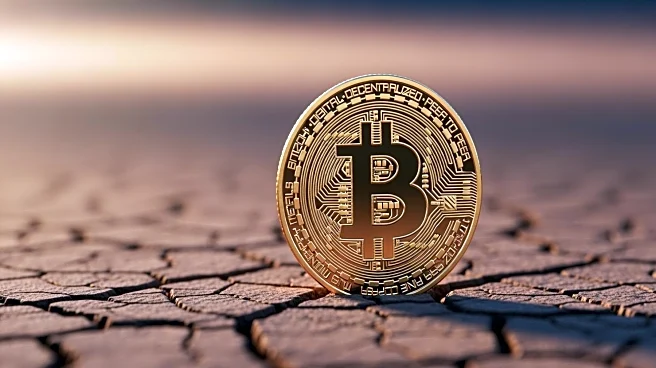
pound lost significant value, leading citizens to seek alternatives outside the traditional banking system. In Iran, the declining confidence in banks and the national currency has prompted a shift towards cryptocurrencies, particularly Bitcoin, as a means to preserve purchasing power and facilitate cross-border transactions. Reports indicate that crypto transaction activity in Iran reached nearly $8 billion in 2025, with citizens increasingly moving assets into self-custody wallets to avoid account freezes and currency devaluation.
Why It's Important?
The shift towards Bitcoin and other digital assets in Iran highlights the growing role of cryptocurrencies as a financial tool in crisis economies. As traditional banking systems become unreliable due to economic instability, citizens are turning to digital currencies for their borderless nature and resistance to local banking restrictions. This trend underscores the potential of cryptocurrencies to provide financial stability and autonomy in environments where national currencies are failing. The situation in Iran also reflects a broader pattern seen in other high-inflation countries, where digital assets are increasingly used for savings and transactions, challenging traditional financial systems and prompting regulatory scrutiny.
What's Next?
As Iran continues to grapple with economic challenges, the reliance on cryptocurrencies is likely to grow. This could lead to increased government intervention as authorities attempt to regulate the burgeoning crypto market. However, the decentralized nature of digital assets may limit the effectiveness of such measures. Additionally, the development of infrastructure and community education around self-custody practices will be crucial in ensuring the safe and effective use of cryptocurrencies. The situation in Iran may also influence other countries facing similar economic pressures to consider the role of digital assets in their financial systems.
Beyond the Headlines
The adoption of cryptocurrencies in Iran raises important questions about the future of money in crisis economies. As digital assets become more integrated into daily life, they could alter perceptions of value and financial security. This shift may also drive innovation in financial technologies and services, as communities seek to build resilient systems outside traditional banking frameworks. Furthermore, the Iranian experience could serve as a case study for other nations exploring the potential of cryptocurrencies to address economic instability and enhance financial inclusion.