



What's Happening?
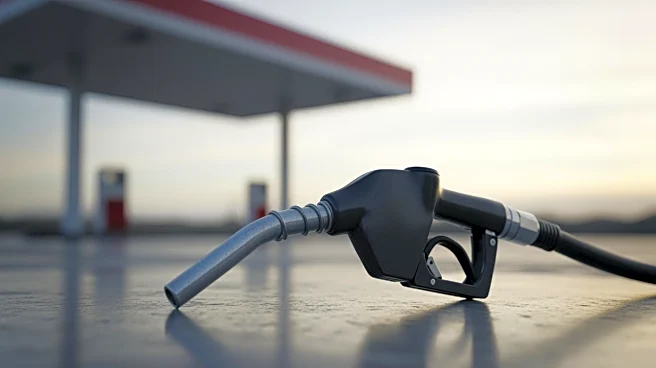
The California Energy Commission has initiated an investigation into potential price gouging by gas stations, as some locations in the state have reported prices exceeding $8 per gallon. This probe is part of a broader effort to protect consumers from
unfair pricing practices, especially during volatile fuel markets. The investigation will scrutinize prices that appear inconsistent with the cost of crude oil and typical market trends. Stations with unusually high pricing have already been contacted as part of the review process. California's fuel market is already known for its high prices due to factors such as taxes, environmental regulations, and limited refinery capacity. The recent price surge has raised concerns among consumers about possible exploitation by retailers.
Why It's Important?
This investigation is significant as it addresses consumer protection in a state already burdened with high fuel costs. California's fuel prices are among the highest in the nation, and any illegal price gouging could exacerbate financial strain on consumers. The outcome of this investigation could lead to regulatory changes or penalties for non-compliant retailers, potentially stabilizing or reducing fuel prices. It also highlights the ongoing challenges of balancing environmental regulations with economic impacts on consumers. The findings could influence future policy decisions regarding fuel pricing and market regulation in California and potentially set a precedent for other states facing similar issues.
What's Next?
Authorities have not yet announced any penalties or specific outcomes from the investigation. The next steps will likely involve a detailed analysis of pricing data and market conditions to determine if any laws have been violated. Depending on the findings, the California Energy Commission may impose fines or other penalties on gas stations found guilty of price gouging. The investigation's results could also prompt legislative action to prevent future occurrences and protect consumers. Stakeholders, including consumer advocacy groups and industry representatives, may respond with calls for transparency and fair pricing practices.