

What's Happening?
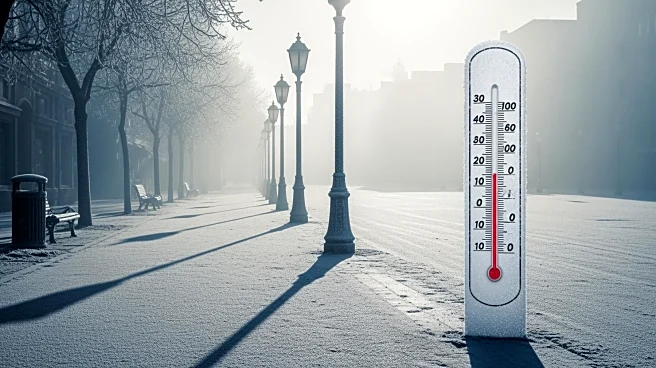
Mayor Mamdani of New York City has announced that 14 individuals have died as a result of a severe cold snap affecting the city. The dangerous temperatures have posed significant risks to residents, particularly those without adequate shelter or heating.
The cold snap has led to increased emergency responses and heightened concerns about the city's ability to protect its most vulnerable populations during extreme weather conditions. The city is likely implementing measures to provide additional resources and support to those in need, including warming centers and emergency shelters.
Why It's Important?
The deaths highlight the critical impact of extreme weather conditions on urban populations, particularly in large cities like New York. The situation underscores the importance of emergency preparedness and the need for robust public health and safety measures to protect vulnerable groups, such as the homeless and elderly. The city's response to this crisis could influence future policies and resource allocation for emergency weather events. Additionally, it raises questions about infrastructure resilience and the adequacy of current systems to handle such extreme conditions.
What's Next?
In response to the fatalities, city officials may review and potentially enhance their emergency response strategies to better address future cold snaps. This could involve increasing the availability of warming centers, improving communication with residents about safety measures, and coordinating with local organizations to provide support. The situation may also prompt discussions at the state and national levels about funding and resources for emergency weather preparedness and response.