



What's Happening?
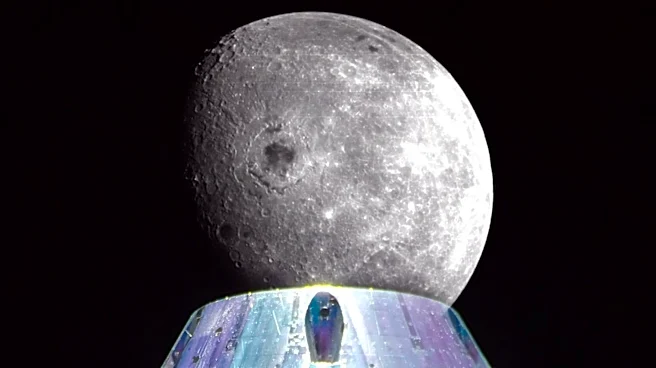
Impulse Space, an in-space mobility company, has been awarded two task orders by NASA for its Moon Base program. These awards will utilize Impulse Space's fleet of spacecraft, including a highly throttleable lander, the Helios kick-stage, and the Mira
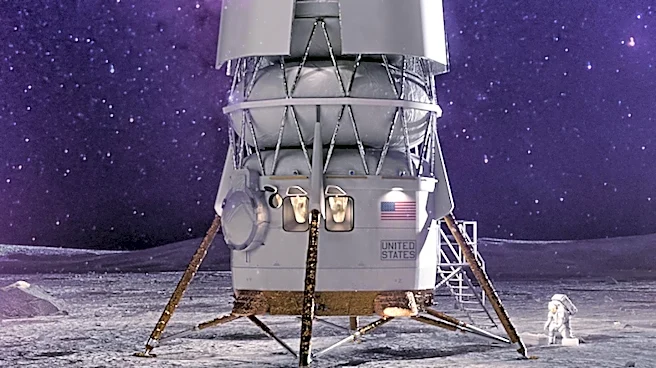
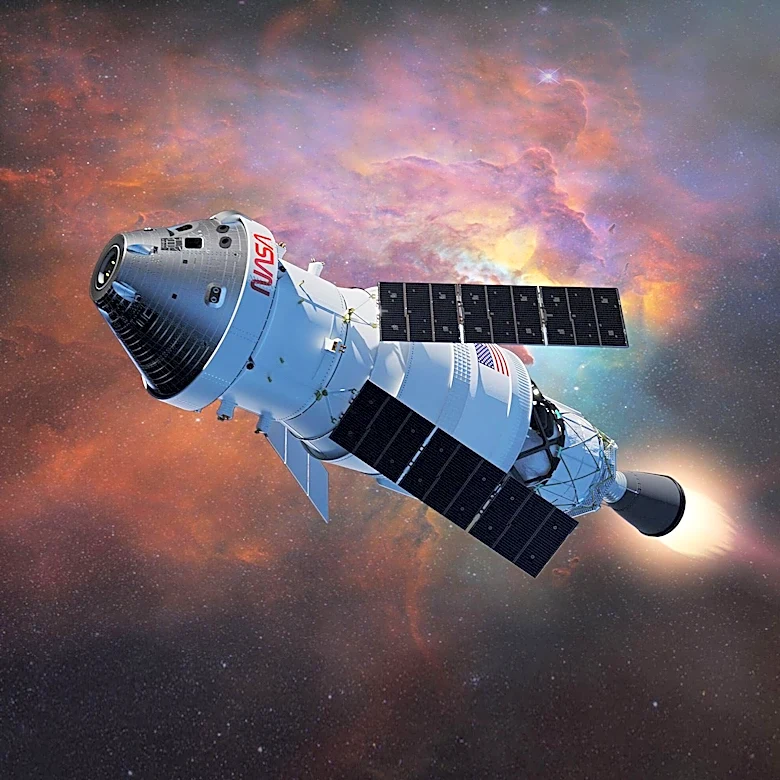
performance maneuvering spacecraft, to establish transportation infrastructure for humanity's first permanent lunar outpost. Missions are slated to commence in 2028. The task orders fall under NASA's Venture-Class Acquisition of Dedicated and Rideshare (VADR) launch services contract. For the first task order, Impulse Space will act as the prime contractor, collaborating with SpaceX for a Falcon 9 rocket launch to deliver a NASA payload, with an option for Mira vehicles to transport additional payloads to cislunar space. The second task order designates Impulse Space as the prime contractor for a launch on Relativity's Terran R launch vehicle, where Impulse's Helios and lander vehicles will carry NASA payloads to their target cislunar orbits and test cargo delivery to the lunar surface. These efforts are crucial for supporting sustained lunar operations and maximizing mission flexibility.
Why It's Important?
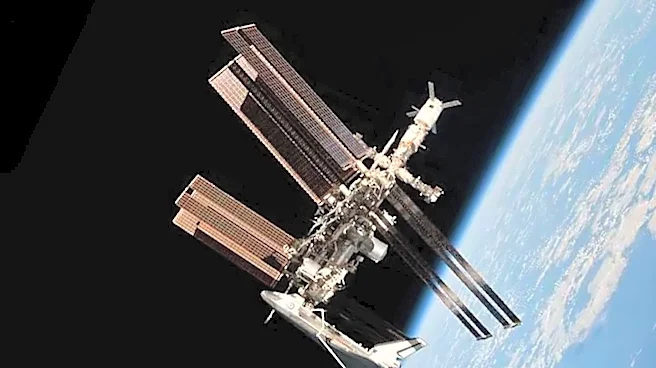
These contracts are vital for advancing U.S. leadership in space exploration and establishing a sustained human presence on the Moon. By leveraging commercial partners like Impulse Space, NASA aims to create a reliable, flexible, and cost-efficient deep space transportation network. This infrastructure is essential for delivering supplies, equipment, and personnel to the lunar South Pole, where the Moon Base will be located. The development of in-space transportation capabilities will reduce the risks and costs associated with lunar missions, enabling more frequent and ambitious scientific discoveries. Furthermore, the collaboration with private companies fosters innovation within the U.S. space industry, creating economic opportunities and strengthening the nation's technological capabilities. The success of these missions will directly impact the feasibility and longevity of NASA's Moon Base program, setting the stage for future deep space endeavors, including potential crewed missions to Mars.
What's Next?
Impulse Space and NASA are expected to release more information about the Moon Base program and the specific task order awards in the coming weeks. The initial missions are scheduled to begin in 2028, focusing on integrating and transporting Moon Base cargo. These early missions will demonstrate the capabilities of orbital transfer vehicles (OTVs) and lunar landers, which are critical for the final delivery of infrastructure to the Moon's surface. NASA also plans to issue a directed call under its Next Space Technologies for Exploration Partnerships (NextSTEP-3 B) solicitation to address high-priority data gaps for Moon Base development. This will involve small spacecraft missions, payloads on future Moon Base flights, or the acquisition of data from commercial partners. The agency's long-term goal is to establish a permanent lunar outpost, with astronauts living, working, and exploring near the Moon's South Pole.
Beyond the Headlines
The awarding of these contracts signifies a broader shift in how NASA approaches space exploration, increasingly relying on commercial partnerships to achieve its ambitious goals. This strategy not only accelerates technological development but also distributes the financial burden and fosters a competitive environment within the private space sector. The concept of a permanent Moon Base raises profound questions about humanity's long-term presence beyond Earth, including resource utilization, international cooperation, and the ethical implications of establishing extraterrestrial settlements. The development of advanced in-space mobility solutions, as provided by Impulse Space, will be foundational for future deep space missions, potentially enabling more complex and distant explorations. This collaborative model could serve as a blueprint for future large-scale space endeavors, blurring the lines between government-led and commercially driven space activities.