



What's Happening?
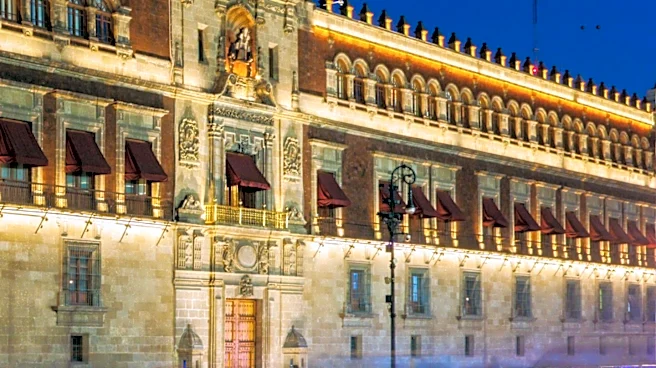
The Mexican government is facing significant criticism after its chief counsel, Luisa María Alcalde, unveiled lists containing the names of 54 news outlets and journalists, and 32 opposition politicians and groups. President Claudia Sheinbaum's administration
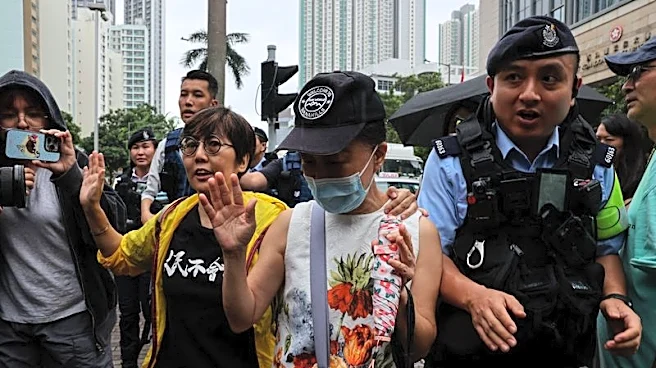
claims these lists were presented to demonstrate how social media uses journalistic accounts to amplify 'false narratives' against the government, which critics often refer to as a 'narco government.' However, journalists and political opponents view these lists as a government-backed effort to silence dissent and muzzle the press. Sheinbaum has denied any intent of censorship, stating that 'at no moment did she say... 'They are the bad journalists,' or 'the journalists who attack us.'' This incident has drawn comparisons to McCarthyism and historical instances of blacklisting, particularly given Mexico's dangerous environment for journalists, with at least 14 killed since Sheinbaum took office.
Why It's Important?
This action by the Mexican government raises serious concerns about press freedom and democratic principles in a country already grappling with high levels of violence against journalists. The creation and public presentation of such lists, regardless of the stated intention, can be perceived as an intimidation tactic, potentially chilling critical reporting and fostering self-censorship. For the U.S., a stable and democratic Mexico with a free press is crucial for regional security, economic partnerships, and shared democratic values. Any perceived erosion of press freedom in Mexico could impact international relations, human rights advocacy, and the ability of U.S. media to report on Mexican affairs without fear of reprisal for their sources. It also sets a dangerous precedent for how governments might attempt to control narratives and suppress opposition.
What's Next?
The controversy is expected to continue, with journalists and human rights organizations likely to maintain pressure on the Mexican government to clarify its intentions and ensure the safety of those named on the lists. International bodies and press freedom advocates may also weigh in, urging the Sheinbaum administration to uphold democratic norms and protect freedom of expression. The government's proposed guidelines for broadcasters, which include requirements for codes of ethics and mechanisms for complaints, are slated for finalization soon and could be enacted without congressional approval. These guidelines, which critics fear could lead to sanctions and fines, will be closely watched for their impact on media independence. The ongoing debate will test the government's commitment to a free press and its response to domestic and international criticism.
Beyond the Headlines
The Mexican government's lists highlight a global challenge to press freedom, where governments increasingly use various tactics, including rhetoric about 'fake news' and 'false narratives,' to discredit critical media. This situation underscores the delicate balance between national security, public order, and the fundamental right to free speech and a free press. The historical context of violence against journalists in Mexico adds a layer of urgency and danger to these actions, transforming what might be a political maneuver in other contexts into a potentially life-threatening situation for those identified. The incident also reveals the power of social media in shaping public discourse and the government's attempts to control or influence online narratives. Ultimately, this event serves as a critical case study in the ongoing struggle to protect journalistic independence and democratic accountability in an increasingly complex information environment.