


What's Happening?
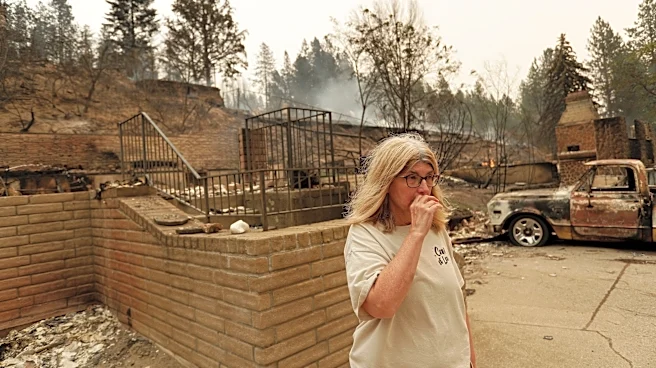
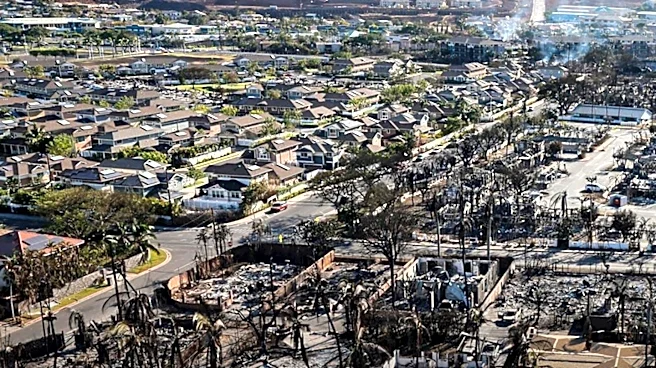
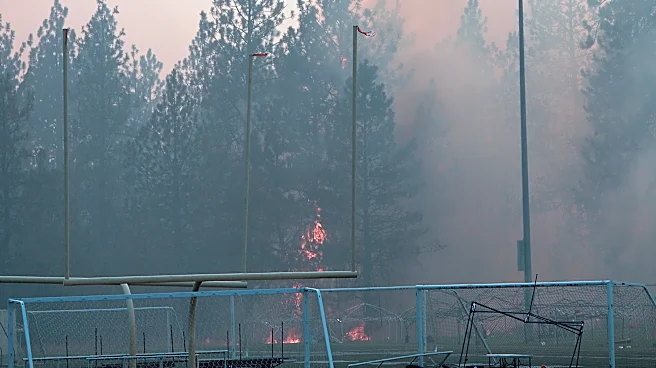
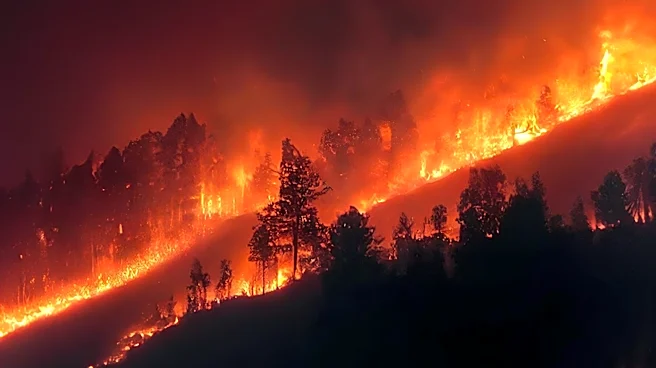
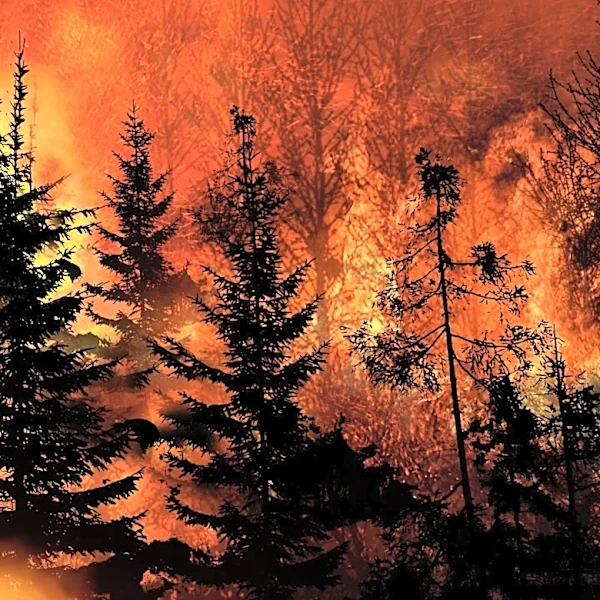
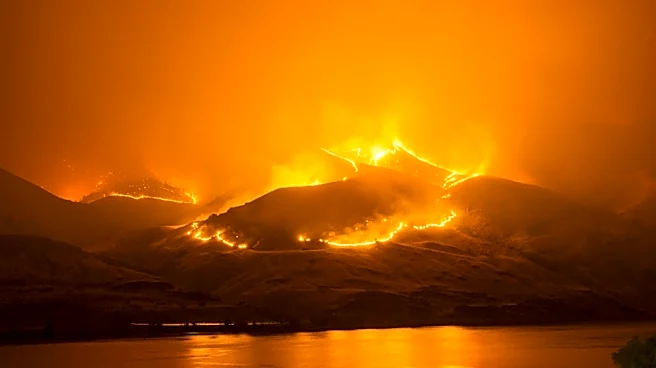
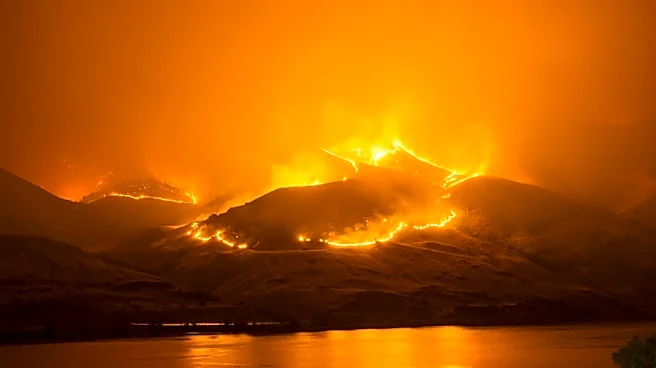
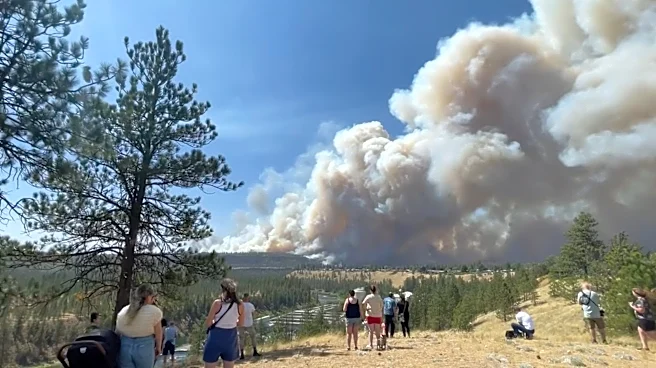
Wildfires in the Spokane, Washington area have burned over 8,000 acres and destroyed at least 600 structures, leading to widespread evacuations. The fires are being compared to the catastrophic Palisades and Eaton fires in Southern California due to the scale
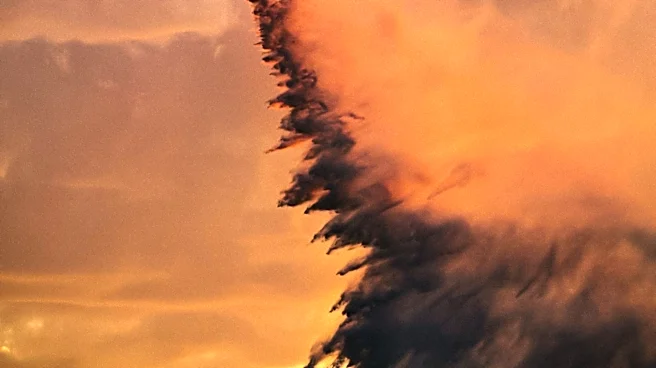
of neighborhood destruction. Washington Governor Bob Ferguson has declared a statewide emergency and imposed a burn ban. The fires have pushed into densely populated areas, displacing tens of thousands of residents. The National Weather Service issued a Red Flag Warning due to dangerous fire conditions, including high winds and low humidity, which have exacerbated the spread of the fires.
Why It's Important?
The Spokane wildfires highlight the increasing frequency and intensity of wildfires in the U.S., exacerbated by climate change and extreme weather conditions. The destruction of homes and displacement of residents underscore the urgent need for effective fire management and emergency response strategies. The fires also pose significant health risks due to air quality deterioration from smoke, affecting vulnerable populations. The situation calls for coordinated efforts from state and federal agencies to provide relief and support to affected communities, as well as long-term strategies to mitigate future wildfire risks.
What's Next?
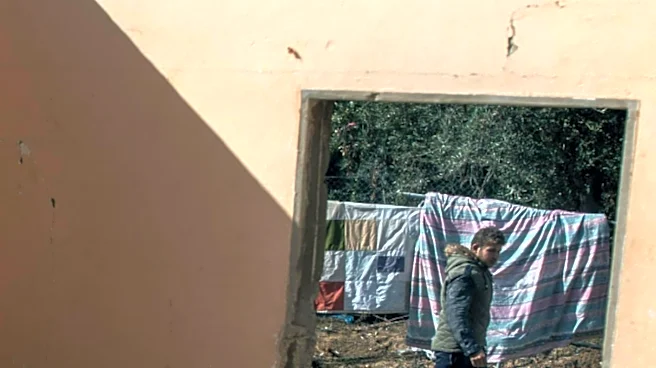
Authorities are working to contain the fires and assess the damage. Evacuation orders remain in place until it is safe for residents to return. Emergency shelters have been set up for displaced individuals, and efforts are underway to restore infrastructure and services. The ongoing fire season in the Pacific Northwest may lead to further challenges, requiring continued vigilance and preparedness from emergency management teams. The situation also raises questions about land management practices and the need for policies addressing climate change and its impact on wildfire frequency and severity.