

What's Happening?
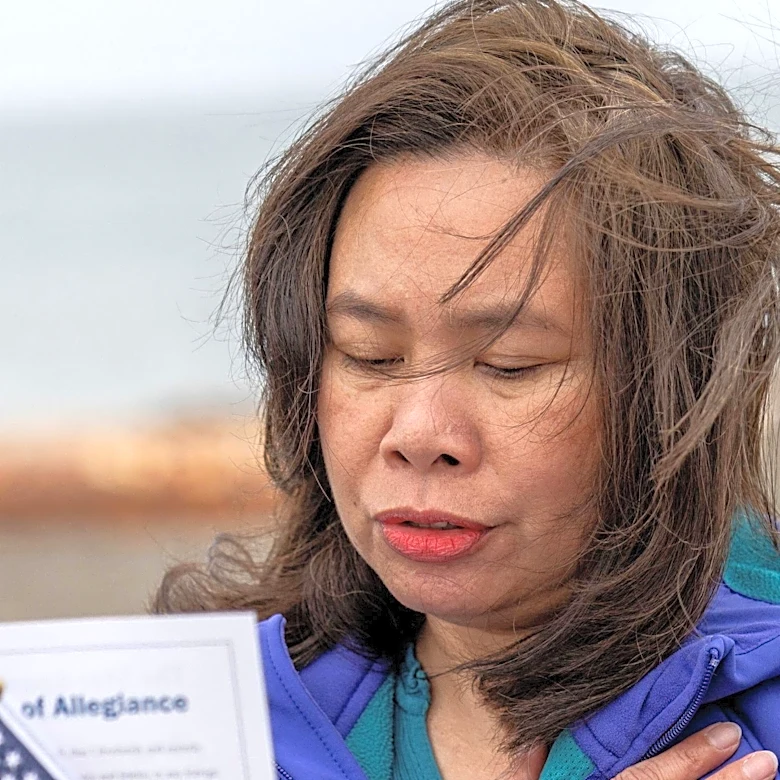
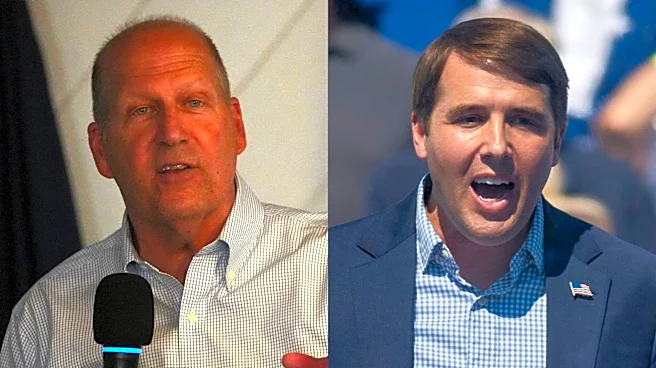
DFL U.S. Senate nominee Peggy Flanagan has announced her acceptance of invitations to participate in two debates against Republican nominee Michele Tafoya. These debates are scheduled to take place before the November election for the U.S. Senate seat
being vacated by retiring Senator Tina Smith. According to Flanagan's campaign, one debate will be hosted by MPR News in St. Paul, while the other will occur in Duluth and be televised through a partnership with KBJR-FOX 9. As of the announcement, the specific dates and broadcast details for these debates have not been finalized. Michele Tafoya has not yet accepted these invitations. A recent poll conducted by TIPP/League of American Workers indicates a close race, with Flanagan leading Tafoya by two percentage points, 44 percent to 42 percent. Tafoya is aiming to become the first Republican elected to the U.S. Senate in Minnesota in over two decades.
Why It's Important?
The acceptance of debate invitations by Peggy Flanagan is a significant development in the Minnesota U.S. Senate race, as debates provide a crucial platform for candidates to articulate their policy positions, challenge their opponents, and appeal directly to voters. For Flanagan, participating in these debates offers an opportunity to solidify her lead and persuade undecided voters, especially given the tight margin indicated by recent polling. For Michele Tafoya, accepting these invitations would be equally important, allowing her to close the gap, present her vision, and potentially make history as the first Republican U.S. Senator from Minnesota in over 20 years. The debates will likely focus on key issues relevant to Minnesota voters, such as economic policies, healthcare, and social issues, influencing public opinion and potentially shifting the dynamics of the race. The televised nature of one debate will ensure broad reach, making these events critical for voter education and engagement.
What's Next?
The next step in this U.S. Senate race will be Michele Tafoya's decision regarding the debate invitations. If Tafoya accepts, the campaigns will then work to finalize the dates, venues, and broadcast details for both debates. Once scheduled, these debates will become focal points of the election, drawing significant media attention and public scrutiny. Both candidates will likely intensify their preparations, honing their arguments and strategies to effectively communicate with voters and counter their opponent's points. The outcomes of these debates could significantly influence voter sentiment, potentially impacting the close polling numbers. Following the debates, there will likely be a surge in campaign activities, including advertising and grassroots efforts, as both candidates make their final push to secure votes before the November election. The race's outcome will determine who represents Minnesota in the U.S. Senate and could have broader implications for the balance of power in Congress.
Beyond the Headlines
Beyond the immediate electoral implications, the U.S. Senate race in Minnesota, particularly the debate dynamics, reflects broader trends in American politics. The close polling numbers highlight the competitive nature of statewide elections and the ongoing struggle for political dominance between the DFL and Republican parties in Minnesota. Tafoya's ambition to break a two-decade Republican drought in the U.S. Senate from Minnesota underscores the long-term political shifts and challenges faced by both parties in the state. The debates themselves serve as a critical democratic mechanism, allowing for direct comparison of candidates' visions and leadership styles, which is essential for an informed electorate. The focus on specific policy issues during these debates will also reveal the priorities and concerns of Minnesota voters, potentially influencing future legislative agendas regardless of the election's outcome. This contest is not just about a single seat but also about the evolving political identity and direction of Minnesota.