


What's Happening?
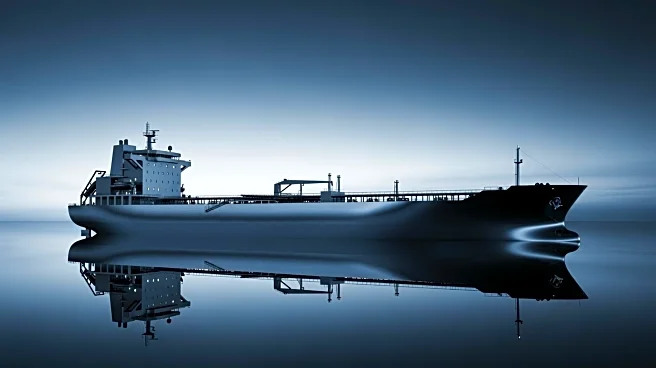
Sweden and Finland have jointly proposed a comprehensive ban on maritime services for Russian energy shipping within the European Union. This proposal, announced by Finnish Foreign Affairs Minister Elina Valtonen and Swedish counterpart Maria Malmer Stenergard,
aims to prevent EU-domiciled firms from engaging in activities such as ship-to-ship transfers, in-port repairs, or insurance services for Russian oil cargoes. The initiative is part of a broader effort to tighten existing EU restrictions on Russian oil shipping, which are aligned with the G7 price cap on Russian crude exports. The proposed ban could significantly increase transportation costs for Russia and limit the involvement of EU entities in supporting Russian energy trade. This move comes amid ongoing EU sanctions on Russian energy companies like Rosneft and Lukoil, which have already reduced European involvement in transporting Russian crude.
Why It's Important?
The proposed ban by Sweden and Finland could have significant implications for the EU's energy supply and the broader geopolitical landscape. By restricting maritime services to Russian-linked tankers, the EU aims to further isolate Russia economically and politically, potentially reducing its revenue from energy exports. This could also lead to increased energy costs within the EU, as Russian LNG shipments still constitute a substantial part of the bloc's energy supply. The proposal underscores the EU's commitment to supporting Ukraine amid its conflict with Russia, as it coincides with a $90 billion EU funding package for Ukraine. The ban could also affect European maritime service providers, particularly those in Greece, who have historically been involved in transporting Russian crude.
What's Next?
If the proposal is adopted, EU member states will need to implement the ban, which could lead to a reevaluation of energy import strategies and increased reliance on alternative energy sources. The EU may also face diplomatic challenges in maintaining unity among member states, some of which may be more dependent on Russian energy. Additionally, Russia may seek to circumvent these restrictions by increasing trade with non-EU countries or developing alternative shipping routes. The proposal's impact on global energy markets and prices will be closely monitored by industry stakeholders and policymakers.