






What's Happening?
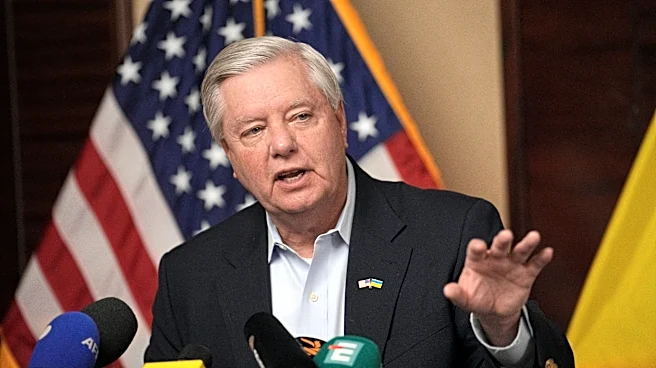
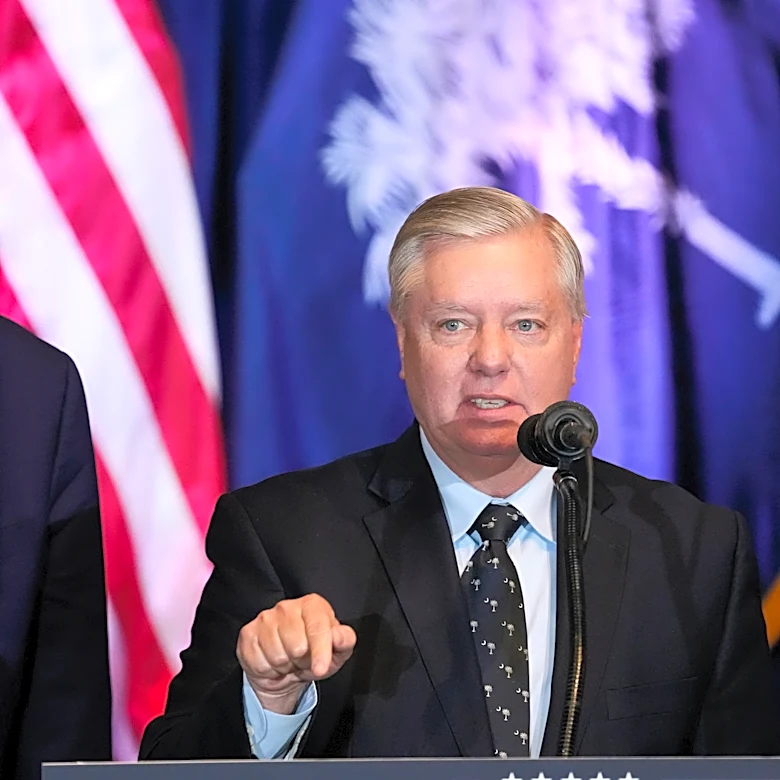
Senator Lindsey Graham, a prominent figure in American politics and a staunch supporter of Israel, has passed away. Known for his influential role in U.S. foreign policy, Graham was a key advocate for Israel, often described as its 'iron shield' in Washington.
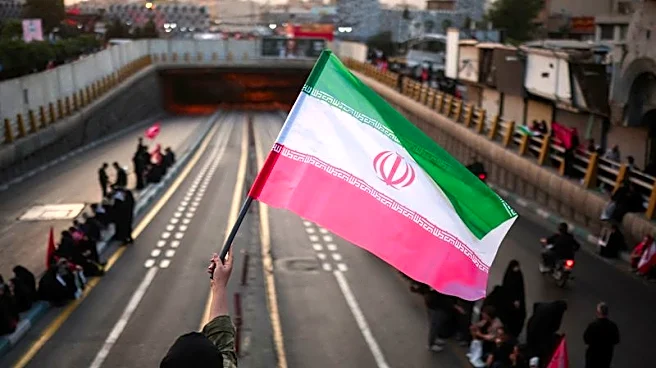
His political career was marked by a strong stance against Iran, advocating for severe sanctions and opposing compromises on Tehran's nuclear ambitions. Graham's influence extended beyond the Middle East, as he was a vocal supporter of Ukraine in its conflict with Russia, urging for military aid and strategic alliances. His death not only marks the loss of a significant political figure but also raises questions about the future of U.S.-Israel relations and the Republican Party's strategy in South Carolina, where he recently secured the party's nomination for the upcoming general election.
Why It's Important?
Lindsey Graham's death is significant due to his pivotal role in shaping U.S. foreign policy, particularly concerning Israel and the Middle East. His unwavering support for Israel and his efforts to strengthen U.S.-Israel ties have been crucial in maintaining the strategic partnership between the two nations. Graham's absence may lead to shifts in U.S. foreign policy, especially regarding Iran and the broader Middle East. Additionally, his passing creates a political vacuum in South Carolina, where his influence was substantial. The Republican Party must now navigate the challenge of finding a successor who can uphold Graham's legacy and maintain the party's stronghold in the state. This development could impact the balance of power in the Senate and influence future legislative decisions.
What's Next?
Following Graham's death, the immediate concern is the appointment of a temporary replacement to maintain the Republican seat in the Senate. South Carolina's governor will play a crucial role in this decision, which will have implications for the party's strategy in the upcoming elections. The Republican Party must also select a new candidate for the November 2026 general election, a process that will test the party's unity and strategic direction. On the international front, Israel and other allies will be closely watching how the U.S. adjusts its foreign policy in the absence of one of its most vocal supporters. The future of U.S. relations with Israel, Iran, and other Middle Eastern countries may hinge on the policies adopted by Graham's successors.
Beyond the Headlines
Lindsey Graham's legacy extends beyond his political achievements; it reflects a broader narrative of resilience and dedication. His personal story, marked by early family tragedies and a commitment to public service, resonates with many Americans. Graham's career highlights the complex interplay between personal experiences and political ideologies, illustrating how individual narratives can shape national policies. His death prompts reflection on the ethical and cultural dimensions of political leadership, particularly in the context of U.S. foreign policy. As the political landscape evolves, Graham's influence will likely continue to be felt, serving as a benchmark for future leaders navigating the challenges of international diplomacy and domestic politics.