



What's Happening?
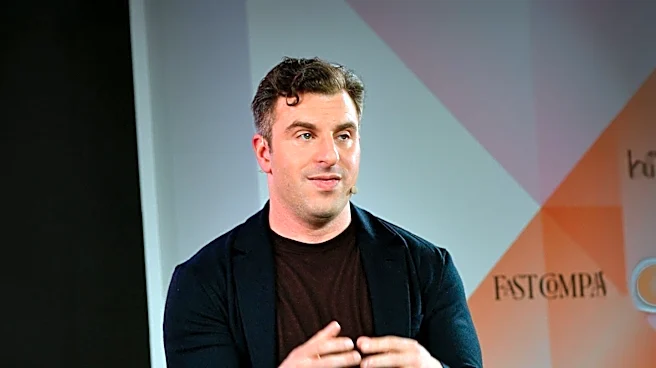
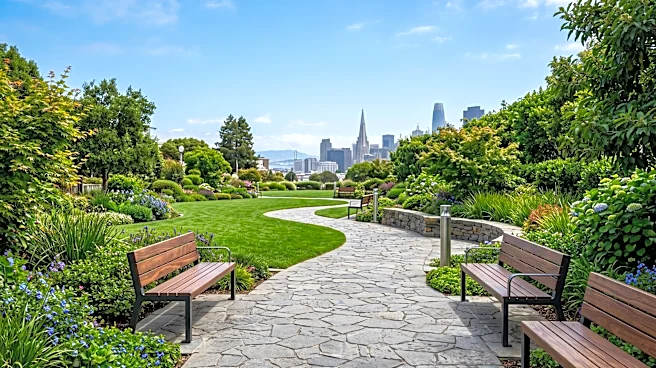
San Francisco is set to receive a $100 million donation from Airbnb CEO Brian Chesky, earmarked for the improvement of public parks. Mayor Daniel Lurie's administration has announced this as the largest single contribution the city has ever received.
The funds will be disbursed in two phases: an initial $39 million will finance five park projects in areas including South of Market, Bayview-Hunters Point, the Mission, Potrero Hill, and downtown. The remaining $61 million will be allocated after city parks officials conduct a year-long assessment to determine its optimal use. This donation significantly escalates Mayor Lurie's strategy of leveraging private sector funding to support civic initiatives, including programs addressing the economy, homelessness, and drug addiction. Chesky, who co-founded Airbnb in San Francisco, expressed his desire to give back to the city that contributed to his company's success, highlighting parks as accessible to all residents and offering visible impact.
Why It's Important?
This substantial private donation underscores a growing trend of reliance on philanthropic and business interests to fund public services in U.S. cities, particularly in tech-rich areas like San Francisco. For Mayor Lurie, it represents a significant validation of his approach to governance, which has involved actively seeking private sector involvement to supplement municipal budgets. While praised by donors like Chesky for its effectiveness, this strategy has drawn criticism from some progressives who question whether the interests of wealthy contributors align with those of average residents. The donation's focus on parks, which are accessible to all, could mitigate some of these concerns by demonstrating tangible benefits across diverse communities. However, it also highlights potential disparities in public service funding, where cities with strong private sector ties may gain advantages over those without similar access to philanthropic capital.
What's Next?
The initial $39 million of the donation will immediately fund five park projects, with one notable outcome being the acceleration of the Rachele Sullivan Park project, now expected to open in late 2028 instead of 2031. Other projects include upgrades to Garfield Square Park and Recreation Center, completion of the next phase of India Basin Waterfront Park, renovation of Jackson Playground, and a makeover of Embarcadero Plaza and Sue Bierman Park. City parks officials will spend the next year determining the best use for the remaining $61 million, likely involving community input and strategic planning to maximize impact. Brian Chesky has also indicated a desire for continued involvement in San Francisco, suggesting that this donation could be a precursor to further philanthropic efforts, depending on the lessons learned from this initial phase.
Beyond the Headlines
The reliance on a single tech billionaire for such a significant public investment raises broader questions about the role of private wealth in shaping urban development and public policy. While providing much-needed funds for public spaces, it also highlights the potential for philanthropic priorities to influence civic agendas, possibly overshadowing community-driven needs if not carefully managed. The criticism from progressives regarding the alignment of donor interests with those of average residents points to an ongoing debate about equity and democratic control over public resources. This model of private funding for public goods could set a precedent for other U.S. cities grappling with budget constraints, potentially leading to a more privatized landscape of public services and amenities, where the quality and availability of such services might increasingly depend on the generosity and specific interests of wealthy individuals or corporations.