










What's Happening?
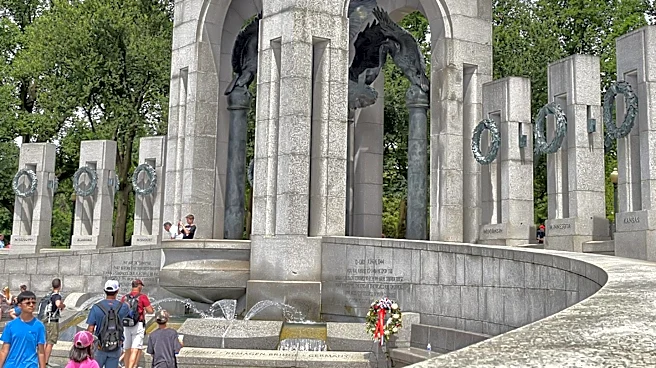
The 30th anniversary of the TWA Flight 800 disaster is being marked by Long Islanders who recall the tragic event. The flight, which exploded shortly after takeoff from JFK Airport in 1996, resulted in the deaths of all 230 people on board. Falcon Griffith,
whose mother Jo-Anne Griffith was a TWA flight attendant, shared her personal story of initially believing her mother was on the ill-fated flight. Jo-Anne was actually scheduled to fly to Paris on a different flight. The tragedy has left a lasting impact on families and communities, with memorial services held to honor the victims and first responders. The event has been a source of trauma but also a catalyst for bringing families closer together, as they continue to remember and celebrate the lives of those lost.
Why It's Important?
The TWA Flight 800 disaster remains one of the deadliest aviation accidents in U.S. history, highlighting the importance of aviation safety and the impact of such tragedies on communities. The event prompted significant changes in airline safety protocols and investigations into aircraft design and maintenance. For the families affected, the anniversary serves as a poignant reminder of their loss and the need for ongoing support and remembrance. The collective memory of the tragedy underscores the importance of community resilience and the role of memorials in the healing process. It also reflects on how sudden loss can alter family dynamics and perspectives on life.
What's Next?
As the anniversary is observed, there may be renewed discussions on aviation safety and the measures taken since the disaster to prevent similar incidents. Families and communities will likely continue to hold memorial services and engage in activities that honor the memory of the victims. The anniversary could also prompt further reflection on the effectiveness of current safety regulations and the need for continuous improvement in aviation technology and emergency response strategies.