
What's Happening?
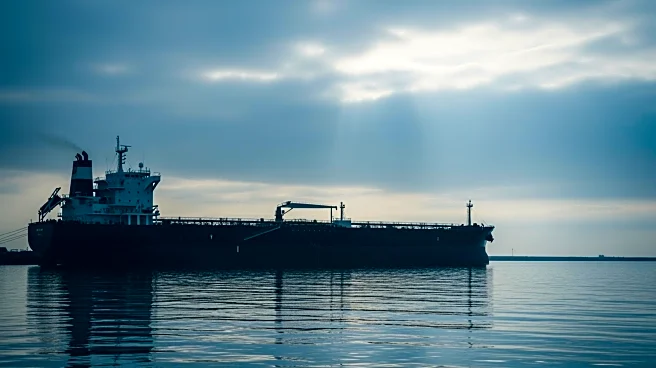
The United States has seized an oil tanker, previously known as Bella-1 and now registered under the Russian flag as Marinera, for violating U.S. sanctions on Venezuelan oil. The seizure occurred in the North
Atlantic, following a warrant issued by a U.S. federal court. The U.S. Coast Guard Cutter Munro tracked the vessel, which was part of a broader effort to enforce sanctions against Venezuela. The reflagging of the ship to Russia has raised diplomatic stakes, as vessels are considered extensions of the country whose flag they bear. This incident highlights the ongoing jurisdictional challenges in enforcing international sanctions.
Why It's Important?
The seizure underscores the U.S.'s commitment to enforcing sanctions against Venezuela, particularly in the oil sector, which is a significant part of the Venezuelan economy. By targeting vessels that attempt to bypass these sanctions, the U.S. aims to maintain pressure on the Venezuelan government. The involvement of a Russian-flagged vessel adds a layer of complexity, potentially straining U.S.-Russia relations. This action could deter other countries or entities from engaging in similar activities, thereby reinforcing the effectiveness of U.S. sanctions. The incident also highlights the geopolitical tensions surrounding energy resources and international trade.
What's Next?
The U.S. is likely to continue its enforcement of sanctions, potentially leading to more seizures of vessels attempting to transport Venezuelan oil. This could provoke diplomatic responses from Russia and other countries whose vessels are involved. The legal and diplomatic ramifications of such actions may lead to discussions in international forums about the enforcement of maritime law and the rights of nations to impose sanctions. The U.S. may also face challenges in maintaining its blockade, as other countries might seek to test the limits of U.S. enforcement capabilities.