



What's Happening?
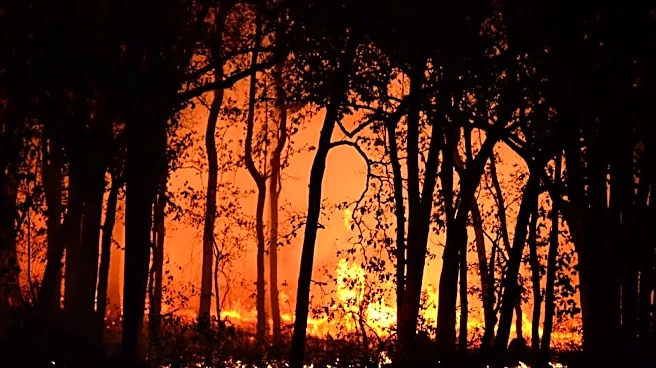
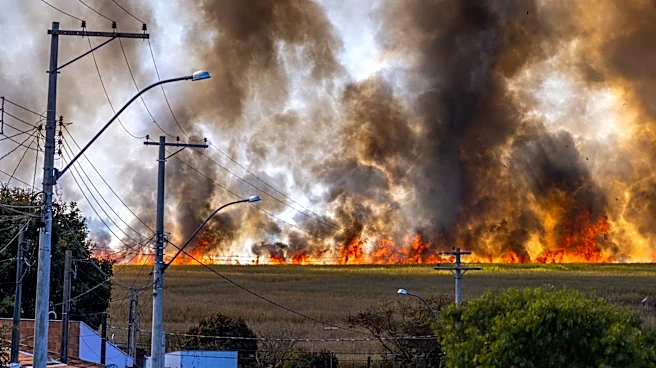
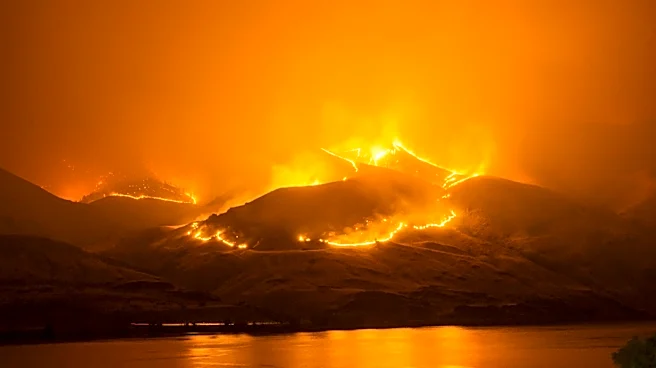
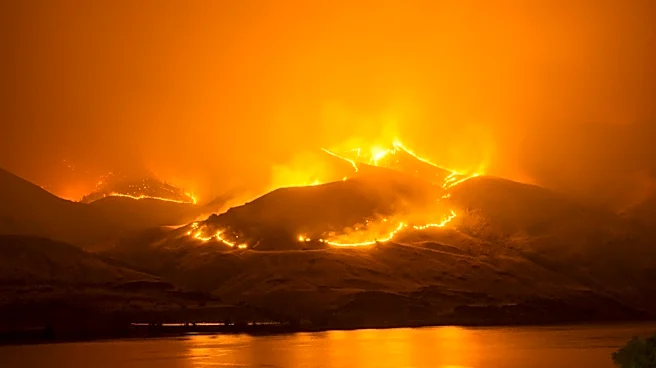
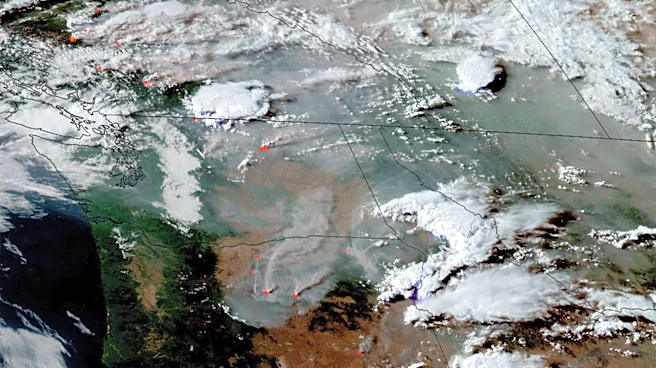
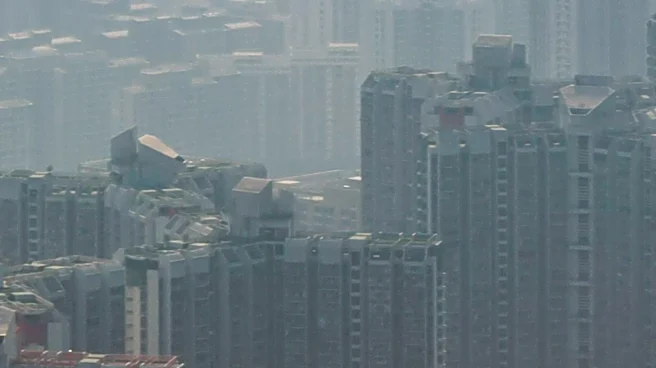
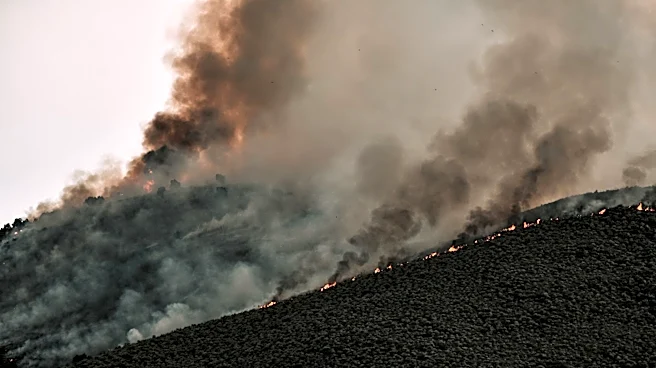
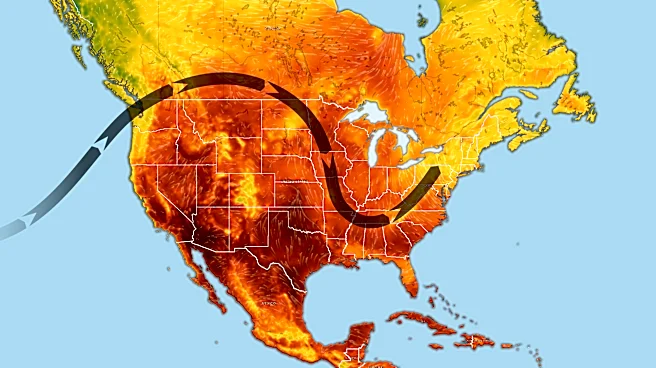
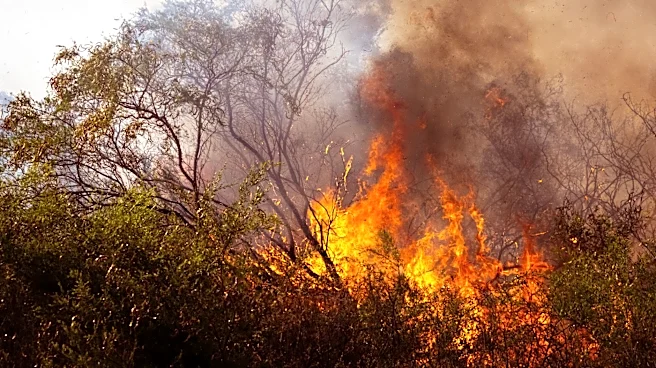
Wildfire smoke from the Pacific Northwest is affecting air quality across large parts of the United States, reaching as far as Florida. The smoke has created hazy skies and unhealthy conditions, particularly in Oregon and Idaho. This follows recent hazardous
air pollution levels in the Midwest and Northeast due to Canadian wildfires. Health officials advise wearing N95 masks outdoors and keeping indoor air clean to mitigate health risks. The fires have burned over 1.8 million acres, with air quality advisories in place urging residents to limit outdoor activities.
Why It's Important?
The widespread smoke highlights the increasing frequency and severity of wildfires, exacerbated by climate conditions. This has significant health implications, particularly for vulnerable populations such as those with respiratory issues. The situation underscores the need for effective wildfire management and public health strategies to address air quality challenges. The economic impact is also notable, affecting industries reliant on outdoor activities and potentially increasing healthcare costs due to smoke-related health issues.
What's Next?
Efforts to contain the fires continue, with forecasts predicting fluctuating air quality levels. Authorities will likely enhance public health advisories and emergency response strategies. The situation may prompt discussions on climate policy and wildfire prevention measures. Residents in affected areas will need to stay informed about air quality updates and take precautions to protect their health. Long-term, this could influence policy changes aimed at reducing wildfire risks and improving air quality management.