





What's Happening?
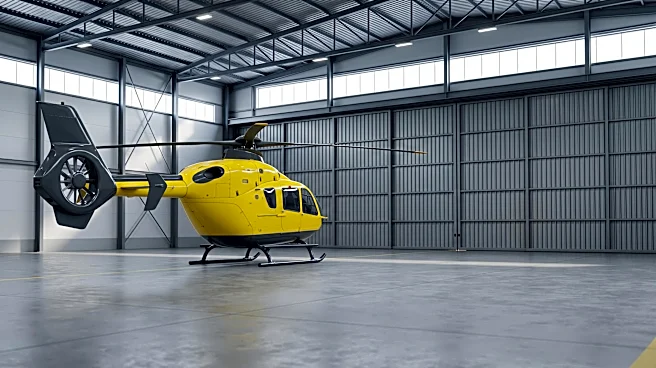
Wyoming State Forestry has officially opened a new helibase in Casper, Wyoming, designed to house aircraft dedicated to fighting wildfires. This facility represents a significant step in the state's ongoing efforts to bolster its wildfire resources and
adopt a more aggressive approach to fire suppression. Wyoming State Forester Kelly Norris stated that the new base will serve as a centralized hub for aerial firefighting assets, thereby strengthening the state's overall fire response capabilities. The project, which involved relocating the helibase from Glenrock to the Casper-Natrona County International Airport, received over $7.5 million in funding from lawmakers in 2024. This funding also covered the acquisition of two lightweight helicopters, which have already delivered 300,000 gallons of water for fires in Wyoming since their operation began in 2024. The facility also includes living quarters for up to 12 seasonal employees, part of Wyoming's initiative to offer more competitive compensation for firefighters.
Why It's Important?
The establishment of the new aerial firefighting facility in Casper is crucial for Wyoming, a state that continues to experience significant wildfires. This investment directly enhances the state's ability to respond rapidly and effectively to fire incidents, protecting communities, natural resources, and infrastructure. By centralizing aerial assets and providing modern housing for seasonal firefighters, Wyoming is addressing critical operational and personnel needs. The increased capacity for aerial suppression, as highlighted by the 300,000 gallons of water already delivered by the new helicopters, can be a game-changer in containing fires before they escalate into larger, more destructive events. This proactive approach is vital for mitigating the economic and environmental damage caused by wildfires, which can include property loss, air quality degradation, and long-term ecological impacts. The facility also underscores the state's commitment to supporting its firefighting personnel through improved living conditions and competitive compensation, which is essential for recruitment and retention in a demanding field.
What's Next?
With the new helibase operational, Wyoming State Forestry will continue to integrate its enhanced aerial firefighting capabilities into its broader wildfire management strategy. The facility is expected to play a key role in the state's response to future fire seasons, allowing for quicker deployment of resources and more efficient suppression efforts. The ongoing focus will be on maximizing the utilization of the new helicopters and the centralized base to protect Wyoming's lands. Furthermore, the state will likely continue to evaluate and invest in additional technologies and resources to combat wildfires, potentially including further advancements in aerial assets or ground-based strategies. The success of this facility in mitigating wildfire damage will be closely monitored, and its operational model may serve as a blueprint for other regions facing similar challenges. The state's commitment to competitive compensation for firefighters will also be an ongoing effort to ensure a skilled and dedicated workforce.
Beyond the Headlines
The unveiling of Wyoming's new aerial firefighting facility reflects a broader national trend of increasing investment in wildfire prevention and suppression, driven by the growing intensity and frequency of wildfires across the U.S. This development highlights the critical role of technology and infrastructure in adapting to changing climate patterns and their impact on natural disasters. Beyond the immediate operational benefits, the facility symbolizes a strategic shift towards a more comprehensive and proactive approach to wildfire management, moving beyond reactive responses to include preparedness and resource optimization. The provision of living quarters for seasonal employees also touches upon the often-overlooked human element of firefighting, acknowledging the need to support and retain skilled personnel in a high-stress, high-risk profession. This investment in both technology and human capital is essential for building resilience against the escalating threat of wildfires, prompting discussions on sustainable land management practices and inter-agency cooperation at a national level.