




What's Happening?
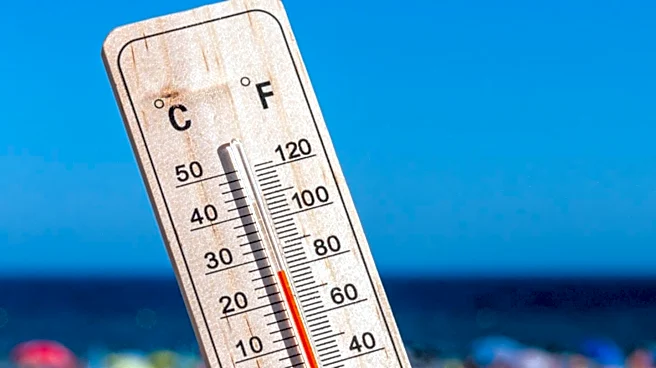
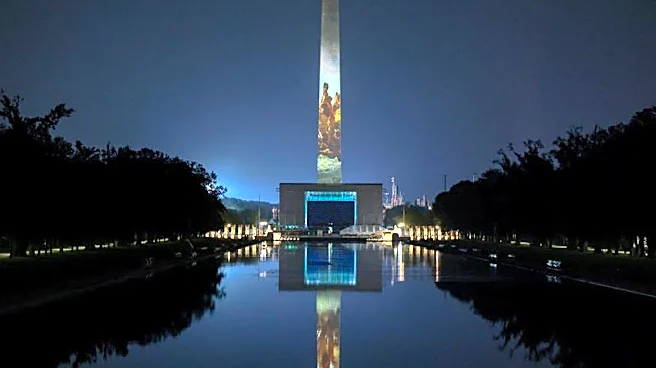
The Great American State Fair, part of the celebrations for the upcoming 250th anniversary of the United States, faced disruptions due to a severe heatwave in Washington, D.C. On July 3, 2026, the fair was temporarily closed as temperatures reached 100
degrees, prompting organizers to prioritize the safety of attendees. The event, which features various attractions and performances, was scheduled to reopen later in the day as temperatures were expected to decrease. The heatwave also affected other planned activities, including military flyovers and airshows, which are part of the Independence Day celebrations. Attendees were seen seeking relief in misting stations and shaded areas as they awaited the reopening of the fair.
Why It's Important?
The disruption of the Great American State Fair due to extreme heat highlights the vulnerability of large public events to climate-related challenges. This incident underscores the need for event organizers to incorporate climate resilience into their planning processes, ensuring that safety measures are in place to protect attendees from adverse weather conditions. The economic impact of such disruptions can be significant, affecting vendors, performers, and local businesses that benefit from increased foot traffic during major events. Additionally, the situation raises awareness about the broader implications of climate change and the importance of developing adaptive strategies to mitigate its effects on public gatherings and celebrations.
What's Next?
As the fair prepares to reopen, organizers will likely continue to monitor weather conditions and implement measures to ensure the safety and comfort of attendees. The ongoing heatwave may lead to further adjustments in the event schedule, and organizers may consider additional strategies to address the challenges posed by extreme weather. This situation may also prompt discussions among policymakers and event planners about the need for infrastructure improvements and contingency plans to better accommodate large public events in the face of climate change. The experience gained from managing this heatwave could inform future planning and preparedness efforts for similar events.