







What's Happening?
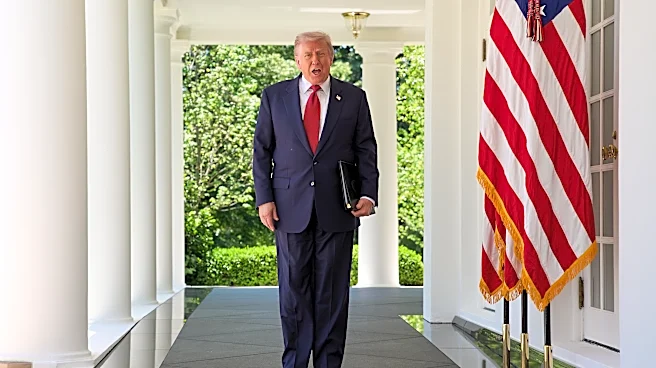
U.S. President Donald Trump has announced a three-day ceasefire between Russia and Ukraine, set to take place from May 9 to May 11, 2026. The ceasefire includes a prisoner exchange involving 1,000 prisoners from each side. Ukrainian President Volodymyr
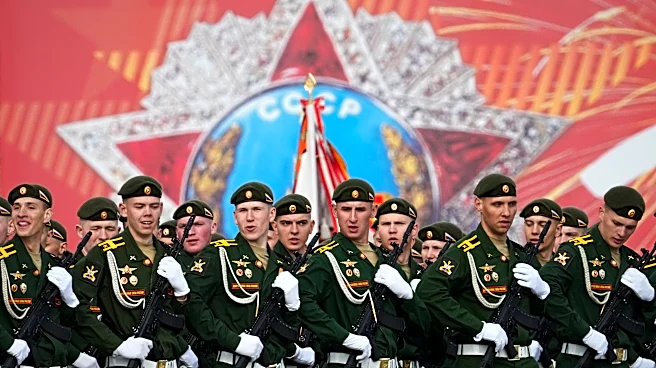
Zelenskyy confirmed the ceasefire and expressed hope that it would lead to further diplomatic efforts. The ceasefire coincides with Russia's Victory Day celebrations, a significant national holiday commemorating the Soviet Union's victory over Nazi Germany in World War II. Despite the ceasefire, skepticism remains regarding Russia's commitment to uphold the agreement.
Why It's Important?
The ceasefire represents a significant diplomatic effort by the United States to mediate in the ongoing conflict between Russia and Ukraine. It highlights the U.S.'s role in international peacekeeping and its influence in global affairs. The prisoner exchange is a humanitarian gesture that could improve relations between the two countries. However, the skepticism surrounding Russia's commitment to the ceasefire underscores the challenges in achieving lasting peace. The ceasefire's timing with Russia's Victory Day celebrations adds a layer of complexity, as it is a day of national pride and military display for Russia.
What's Next?
The success of the ceasefire will depend on both Russia and Ukraine's adherence to the agreement. The U.S. is expected to play a role in ensuring compliance, and further diplomatic efforts may be necessary to extend the ceasefire or reach a more permanent resolution. The international community will be closely monitoring the situation, and any violations could lead to renewed hostilities. The outcome of the ceasefire could influence future negotiations and the broader geopolitical landscape in Eastern Europe.