


What's Happening?
The U.S. Department of Justice (DOJ) has announced it will be monitoring elections in all 50 states, including Wisconsin, with federal election monitors deployed to Milwaukee and Madison. According to Wisconsin Elections Commission Administrator Meagan
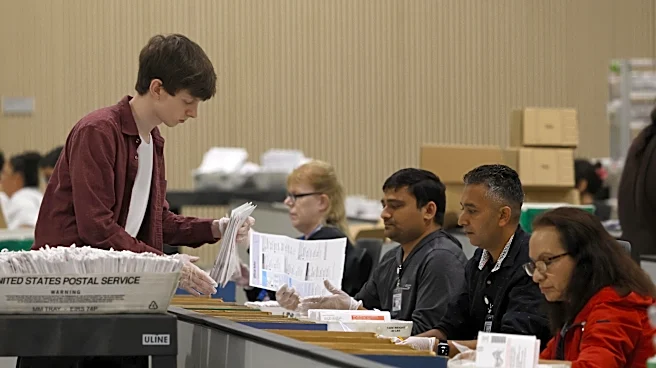
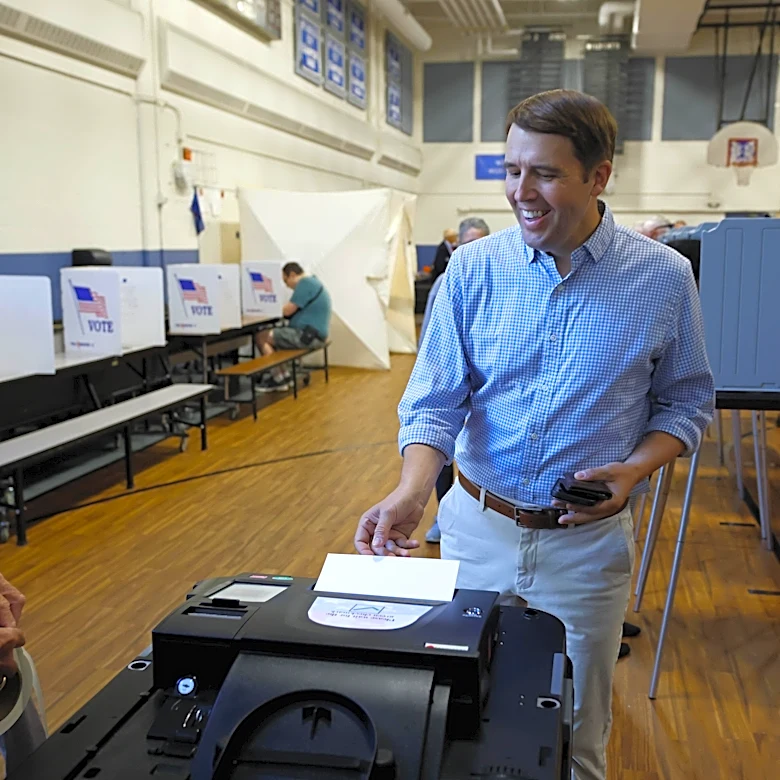
Wolfe, this is a standard procedure and nothing out of the ordinary. Federal authorities typically inform municipalities about the presence of observers, though specific polling places are not disclosed. Wolfe noted that Madison and Milwaukee, as the state's largest cities, are frequently the focus of such monitoring efforts. This year, fewer than 10 DOJ observers have been assigned to Wisconsin, which aligns with past practices. Paulina Gutiérrez, Executive Director of the Milwaukee Elections Commission, confirmed that DOJ and Congressional observers are present at Milwaukee polls and have agreed to adhere to Wisconsin's observer rules, with no reported issues.
Why It's Important?
The deployment of federal election observers by the DOJ is a critical component of ensuring the integrity and fairness of U.S. elections. While routine, their presence serves to uphold voting rights and address potential issues such as voter intimidation, discrimination, or procedural irregularities. This oversight helps to build public confidence in the electoral process, especially in a political climate where election security and fairness are frequently debated. For states like Wisconsin, which have seen significant attention in recent election cycles, the presence of federal monitors can provide an additional layer of assurance to voters and candidates alike. The collaboration between federal and state election officials, as highlighted by the Milwaukee Elections Commission, demonstrates a coordinated effort to manage the election process smoothly and transparently, reinforcing the established legal frameworks governing elections.
What's Next?
The presence of federal election observers will continue throughout the midterm elections, with their reports contributing to the overall assessment of election conduct. Following the elections, the DOJ will likely compile findings from its monitoring efforts across the country. These findings could inform future policy recommendations or legal actions if significant issues are identified. State election officials, in turn, will continue to work with federal authorities to refine election procedures and address any challenges that arise. The ongoing dialogue between federal and state entities is crucial for maintaining a robust and secure electoral system. The experience gained from this election cycle will also contribute to the training and preparation for future elections, ensuring that both federal and local officials are equipped to handle their respective roles in safeguarding the democratic process.
Beyond the Headlines
Beyond the immediate function of monitoring, the consistent deployment of federal election observers underscores the enduring commitment to protecting the right to vote, a cornerstone of American democracy. In an era marked by heightened scrutiny of election processes, the routine nature of these deployments, as emphasized by state officials, helps to normalize and depoliticize the act of federal oversight. This can counteract narratives that question election legitimacy by demonstrating a transparent and established system of checks and balances. The training provided to local election staff on how to interact with various types of observers, including Congressional observers who may have broader access, highlights the complexity of managing election day logistics while upholding legal rights. Ultimately, the continued presence of federal observers reinforces the principle that elections are a shared responsibility, requiring vigilance and cooperation at all levels of government to ensure their integrity.