
What's Happening?
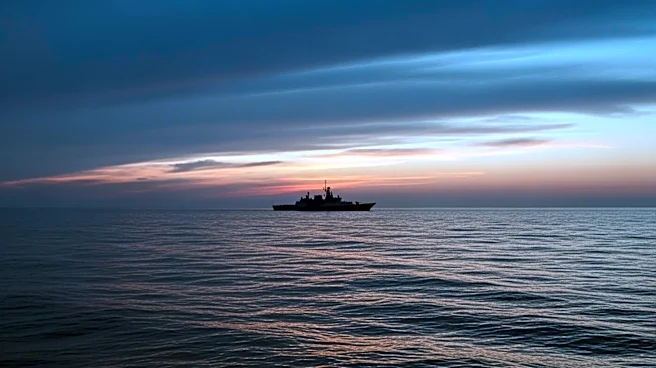
President Trump has reversed the naval mission known as Project Freedom, which aimed to ensure the passage of ships through the Strait of Hormuz. The decision to pause the mission was influenced by requests
from Pakistan and other countries, including Saudi Arabia. The reversal comes after Saudi Arabia informed the U.S. that it would not allow military aircraft to fly from its airbase or through its airspace to support the mission. This development highlights the diplomatic challenges faced by the U.S. in maintaining military operations in the region.
Why It's Important?
The reversal of Project Freedom underscores the complexities of international diplomacy and the importance of regional cooperation in military operations. The decision reflects the influence of key Gulf allies, such as Saudi Arabia, in shaping U.S. foreign policy. This development may impact the U.S.'s ability to maintain a strategic presence in the Middle East and could influence future diplomatic and military engagements in the region. The situation also highlights the delicate balance between military action and diplomatic negotiations in addressing geopolitical conflicts.
What's Next?
The U.S. is likely to engage in further diplomatic discussions with regional partners to address the situation in the Strait of Hormuz. The outcome of these negotiations will be critical in determining the future of U.S. military operations in the region. The U.S. may need to reassess its alliances and strategic priorities to ensure continued cooperation with key partners. The resolution of this issue could have significant implications for regional stability and global trade, particularly in the context of oil supply and economic security.