









What's Happening?
The Regional District of North Okanagan (RDNO) is expanding its efforts to support the agricultural community during ongoing Stage 3 water restrictions by temporarily switching the water source for more Greater Vernon Water (GVW) customers near Lavington.
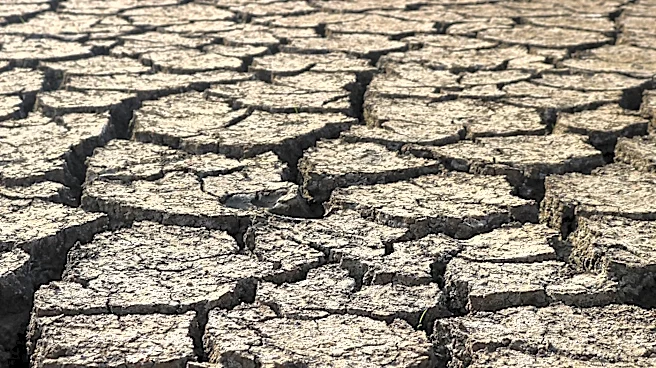
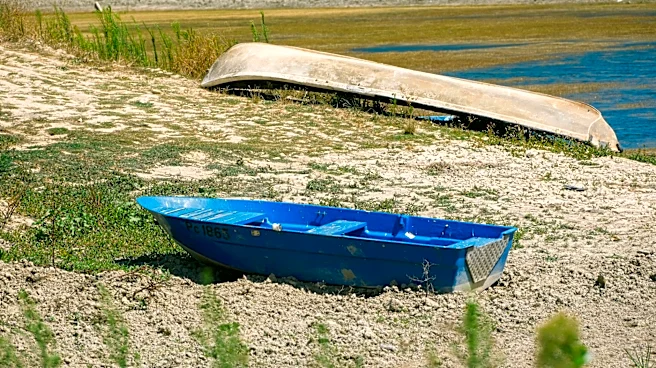
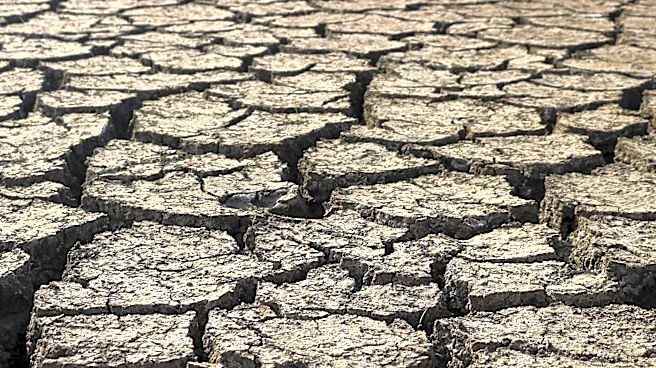
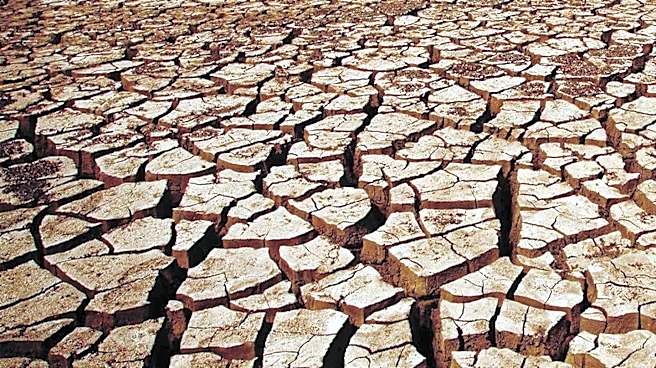
This decision comes as a response to historically low water levels in the GVW reservoirs. The switch involves moving from the Duteau water source to the Antwerp Deep Well, a secondary water source approved by Interior Health. This change aims to prioritize surface water for agricultural use while ensuring safe drinking water for residents. The Antwerp Deep Well, which draws from a protected groundwater aquifer, has been tested and meets provincial drinking water standards. Customers may notice minor changes in water taste, smell, or appearance due to naturally occurring manganese in the groundwater.
Why It's Important?
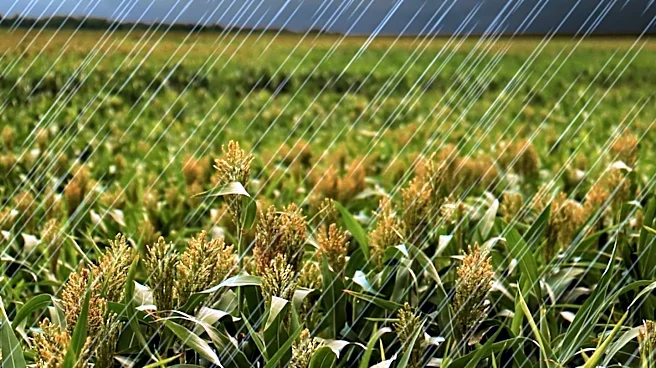
This initiative is crucial as it addresses the dual challenge of maintaining agricultural productivity and ensuring residential water supply during severe drought conditions. Agriculture is a significant part of the local economy, and water restrictions can severely impact farm operations and livelihoods. By reallocating water resources, RDNO is attempting to balance the needs of farmers with those of residential users. This move highlights the importance of adaptive water management strategies in the face of climate variability and increasing water scarcity. The success of such measures could serve as a model for other regions facing similar challenges, emphasizing the need for collaborative approaches between local governments, health authorities, and community stakeholders.
What's Next?
RDNO plans to continue monitoring water quality and engage in further discussions with agricultural users to explore long-term solutions. A second meeting with agricultural stakeholders is scheduled to discuss ongoing water management strategies. The district is also encouraging residents to maintain water conservation efforts, which have already resulted in a significant reduction in water usage. Continued collaboration and community engagement will be essential in developing sustainable water management practices that can withstand future droughts.