
What's Happening?
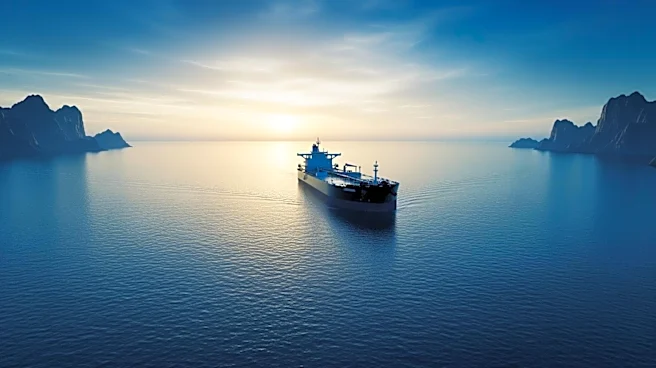
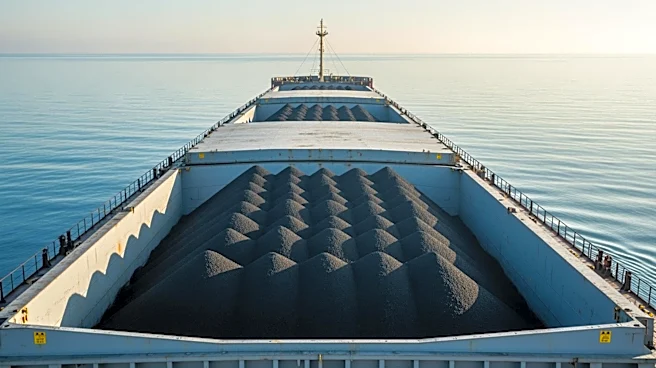
The shipping association BIMCO has reported a significant increase in coal shipments to Japan, South Korea, and the European Union, rising by 27% year-on-year in April. This surge is attributed to disruptions
in liquefied natural gas (LNG) supplies, particularly due to the closure of the Strait of Hormuz, which has led to an 8% decline in global seaborne LNG shipments. As a result, these regions have turned to coal as an alternative energy source to meet their electricity demands. The increase in coal shipments is notable as it comes during a period when coal imports typically decline due to reduced heating demand.
Why It's Important?
The shift from LNG to coal as an energy source has significant implications for global energy markets and environmental policies. The increased reliance on coal, a more carbon-intensive fuel, could hinder efforts to reduce greenhouse gas emissions and combat climate change. This development highlights the vulnerability of energy supply chains to geopolitical tensions and the need for diversified energy sources. The rise in coal shipments also affects the shipping industry, with increased demand for panamax and capesize vessels, potentially impacting freight rates and shipping logistics.
What's Next?
If disruptions in LNG supplies persist, advanced economies may continue to rely on coal, potentially leading to further increases in coal shipments. This scenario could challenge international climate commitments and prompt a reevaluation of energy strategies. In the long term, however, the transition to renewable energy sources is expected to continue, driven by technological advancements and policy initiatives. The current situation may accelerate investments in renewable energy infrastructure and storage solutions to enhance energy security and reduce dependency on fossil fuels.
Beyond the Headlines
The reliance on coal due to LNG supply disruptions raises ethical and environmental concerns, as it contradicts global efforts to transition to cleaner energy sources. This situation underscores the importance of developing resilient and sustainable energy systems that can withstand geopolitical and market fluctuations. It also highlights the need for international cooperation to ensure stable and secure energy supplies while advancing climate goals. The increased coal shipments may also prompt discussions on the role of energy policy in balancing economic growth with environmental sustainability.