




What's Happening?
Several Loyola hospitals in the Chicago area have implemented new mask and visitor restrictions due to high rates of respiratory viruses in the community. The updated policies, announced on Sunday, apply to all Chicago-area Loyola Medicine facilities,
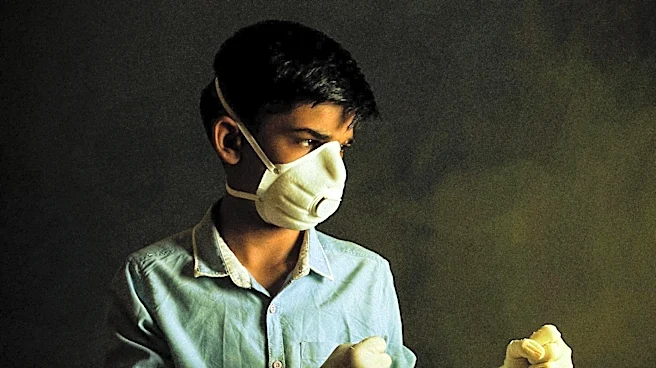
including Loyola University Medical Center in Maywood, Gottlieb Memorial Hospital in Melrose Park, and MacNeal Hospital in Berwyn. Under the new rules, visitors under the age of 18 are not permitted in Loyola Medicine hospitals due to the higher rates of viral transmission from children. Masks are now mandatory in patient rooms and clinic rooms and are highly recommended for visitors and guests in other areas of the hospital. Additionally, individuals recently diagnosed with respiratory illnesses like COVID, flu, or RSV, or those experiencing symptoms such as fever, runny nose, sore throat, cough, or congestion, will not be allowed to visit. Patients with a respiratory virus diagnosis are limited to two visitors at a time, with exceptions for critical illness or end-of-life situations.
Why It's Important?
These new restrictions highlight a significant public health concern in the U.S., particularly in the Chicago area, regarding the resurgence of respiratory viruses. The measures are crucial for protecting vulnerable patients and healthcare workers from infection, especially as flu season started earlier and with higher numbers than typical this year, according to federal experts. The rise in rhinovirus/enterovirus cases and group A strep infections, as reported by the Centers for Disease Control and Prevention (CDC), further underscores the need for such precautions. For the healthcare system, these restrictions aim to prevent overwhelming hospital capacity and ensure resources are available for those most in need. For the public, it emphasizes the ongoing threat of infectious diseases and the importance of community-level mitigation efforts to curb transmission. The impact extends to families, who face limitations on visiting loved ones during illness, reflecting the serious nature of the current viral landscape.
What's Next?
Hospital officials will continue to monitor the rates of respiratory viruses in the community to determine the duration of these restrictions. The implementation of similar restrictions earlier this month at Silver Cross Hospital in suburban New Lenox suggests a broader trend among healthcare facilities to respond to rising illness levels. The CDC and local health authorities will likely continue to provide updates on viral activity, which will guide future policy decisions by hospitals. The public is encouraged to remain vigilant about respiratory symptoms and adhere to health guidelines to help reduce community transmission. The ongoing challenge of managing multiple circulating respiratory viruses may lead to sustained or evolving public health recommendations and hospital protocols throughout the colder months.
Beyond the Headlines
The recurring need for mask mandates and visitor restrictions in hospitals points to a deeper societal challenge in managing infectious diseases post-pandemic. It reflects a shift in public health strategy, where localized and adaptive measures are becoming more common in response to seasonal or emergent viral threats. This situation also highlights the strain on healthcare infrastructure and the constant balancing act between patient care, staff safety, and public access. The psychological impact on patients and their families, who may experience isolation due to visitor limitations, is a less obvious but significant implication. Furthermore, it underscores the importance of ongoing public education regarding respiratory hygiene and vaccination to foster a more resilient community against future outbreaks, potentially influencing long-term healthcare policy and individual health behaviors.