








What's Happening?
Japan is experiencing significant price hikes in processed foods due to geopolitical tensions in the Middle East, according to a survey by Teikoku Databank. The survey projects that food price increases will persist throughout 2026, with 5,780 processed food items,
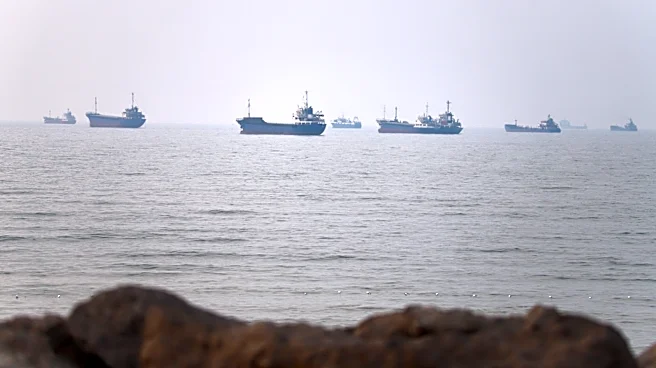
including instant noodles and canned goods, affected. The rising costs are linked to increased prices of crude oil and naphtha, a petroleum-derived material used in food packaging. The Japanese Ministry of Agriculture, Forestry and Fisheries has updated the Food System Act to help smaller food manufacturers pass on rising costs to consumers. The ongoing situation in the Middle East, particularly involving Iran and the Strait of Hormuz, continues to pressure petroleum supplies, affecting the food industry.
Why It's Important?
The price hikes in Japan's food sector highlight the interconnectedness of global geopolitical events and domestic economic conditions. As Japan relies heavily on Middle Eastern oil imports, any disruption in this region can have significant economic repercussions. The increased costs of raw materials and packaging are likely to affect both businesses and consumers, potentially leading to reduced consumer spending and economic slowdown. The situation underscores the vulnerability of commodity-importing economies to external shocks and the importance of diversifying energy and raw material sources to enhance economic resilience.
What's Next?
If geopolitical tensions in the Middle East persist, Japan may face prolonged economic challenges, including slower growth and higher inflation. The government and businesses might need to explore alternative energy sources and supply chain strategies to mitigate these impacts. Additionally, the updated Food System Act could pave the way for more transparent pricing mechanisms, allowing manufacturers to adjust prices without legal or retail backlash. Monitoring developments in the Middle East and their impact on global oil prices will be crucial for Japan's economic planning and stability.